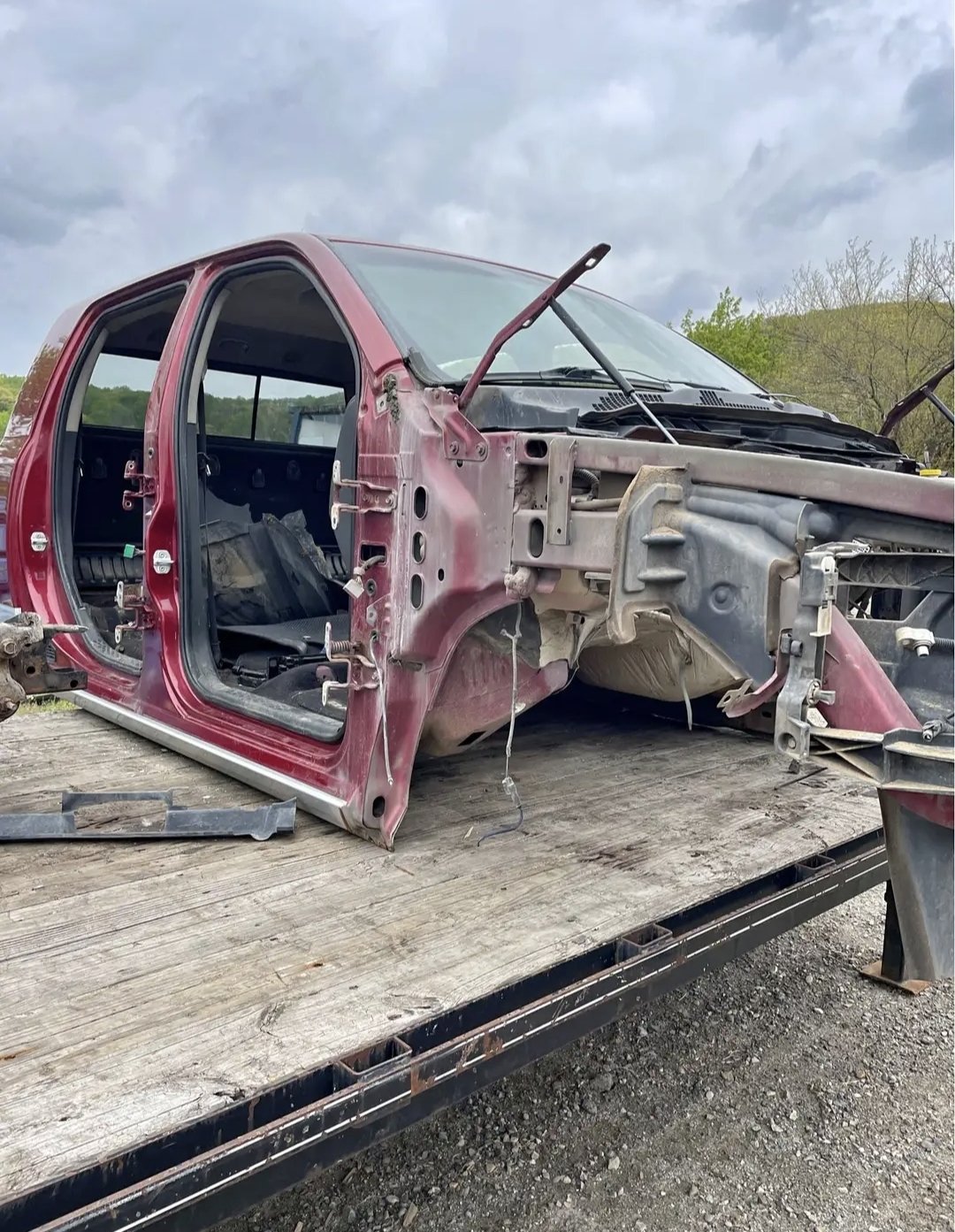
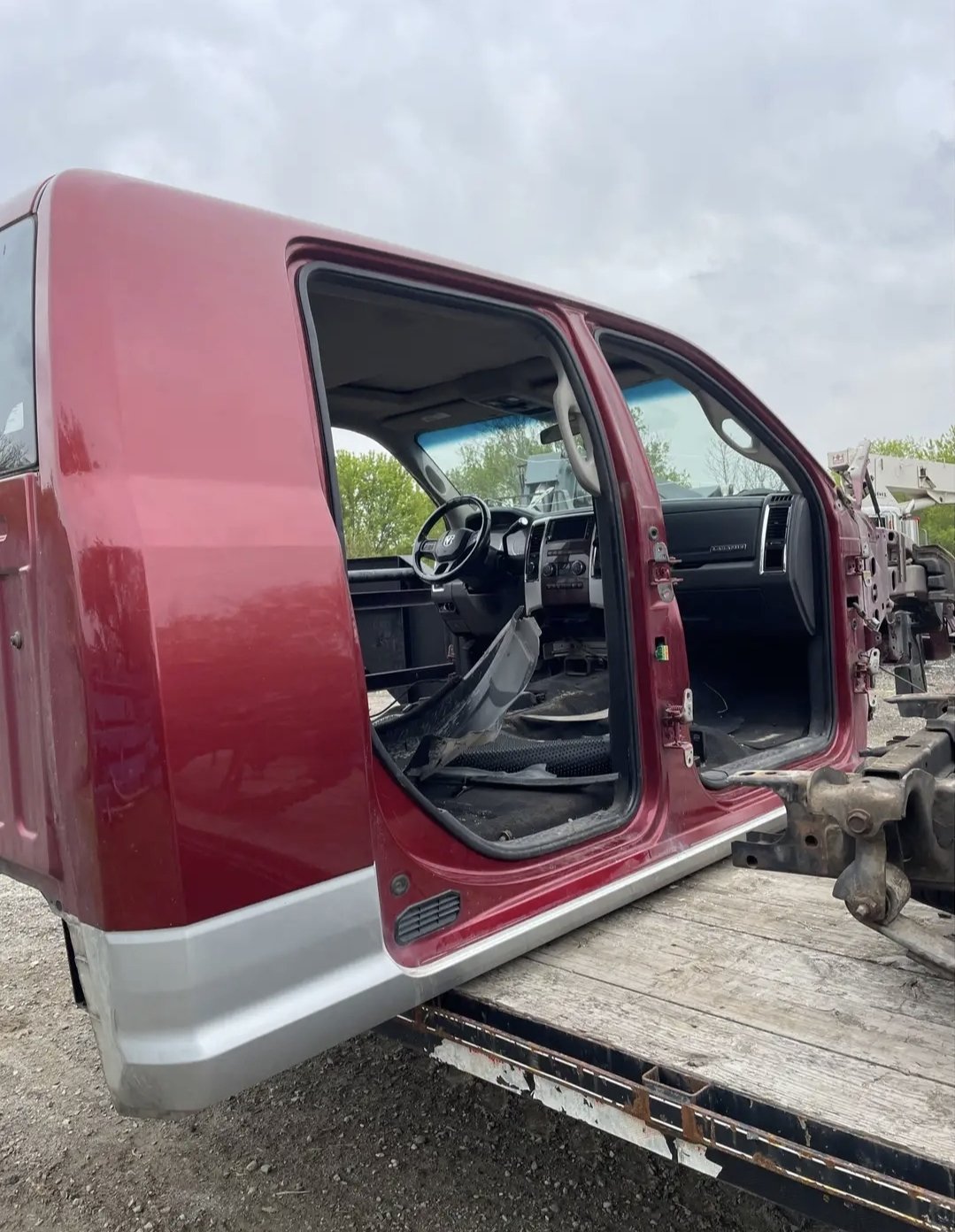
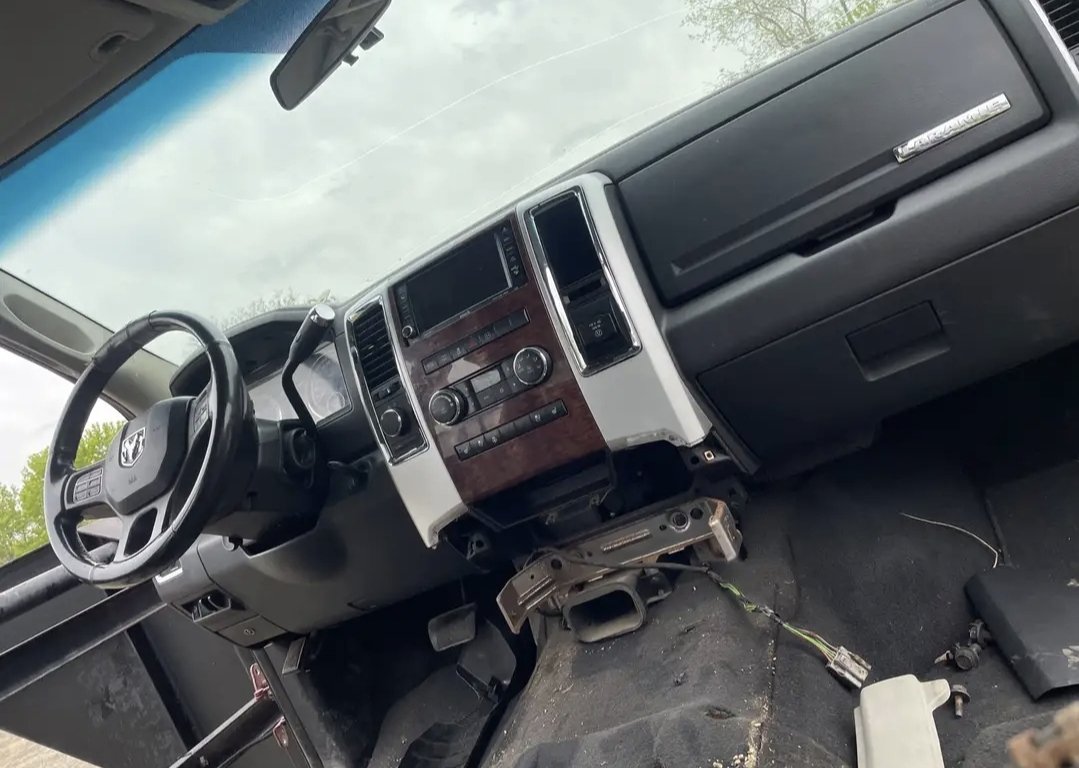
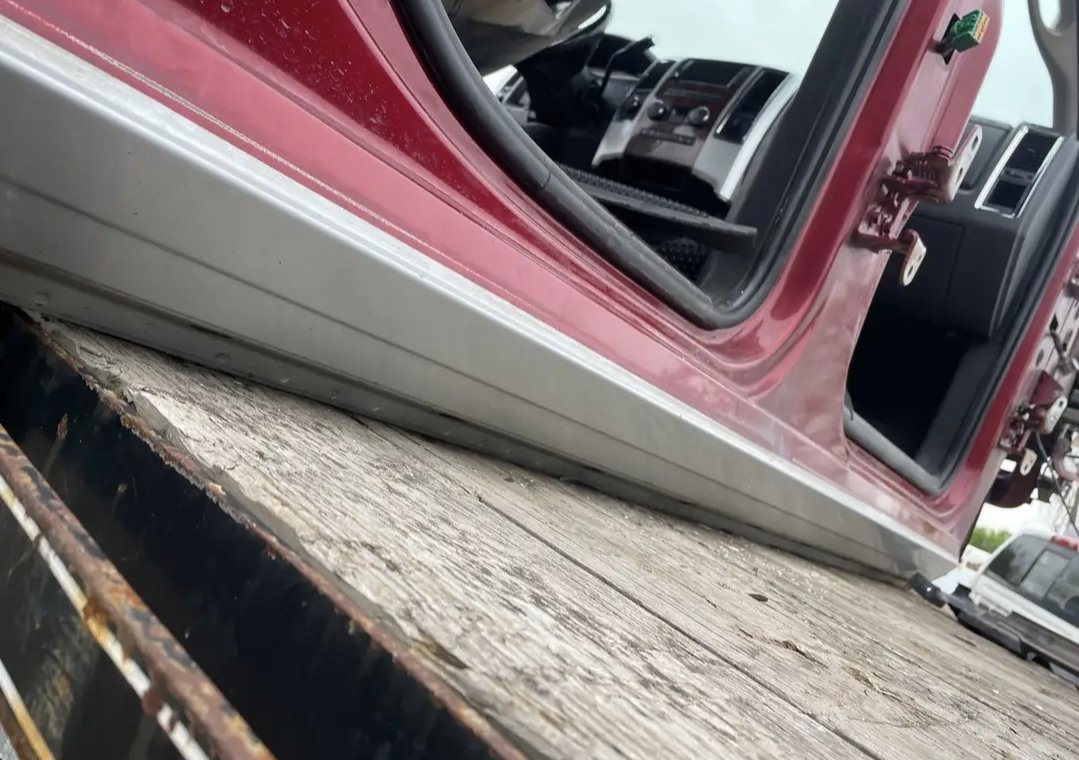
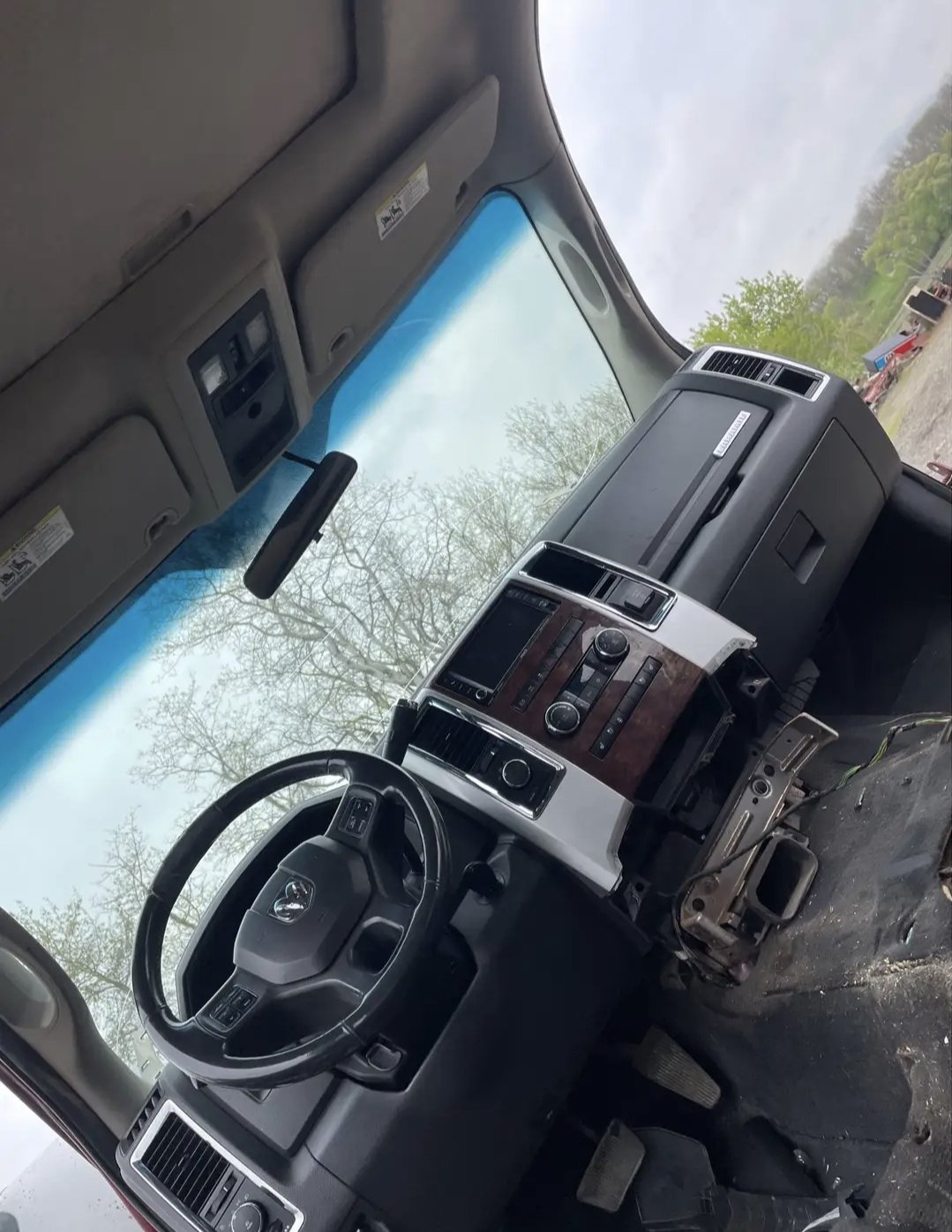
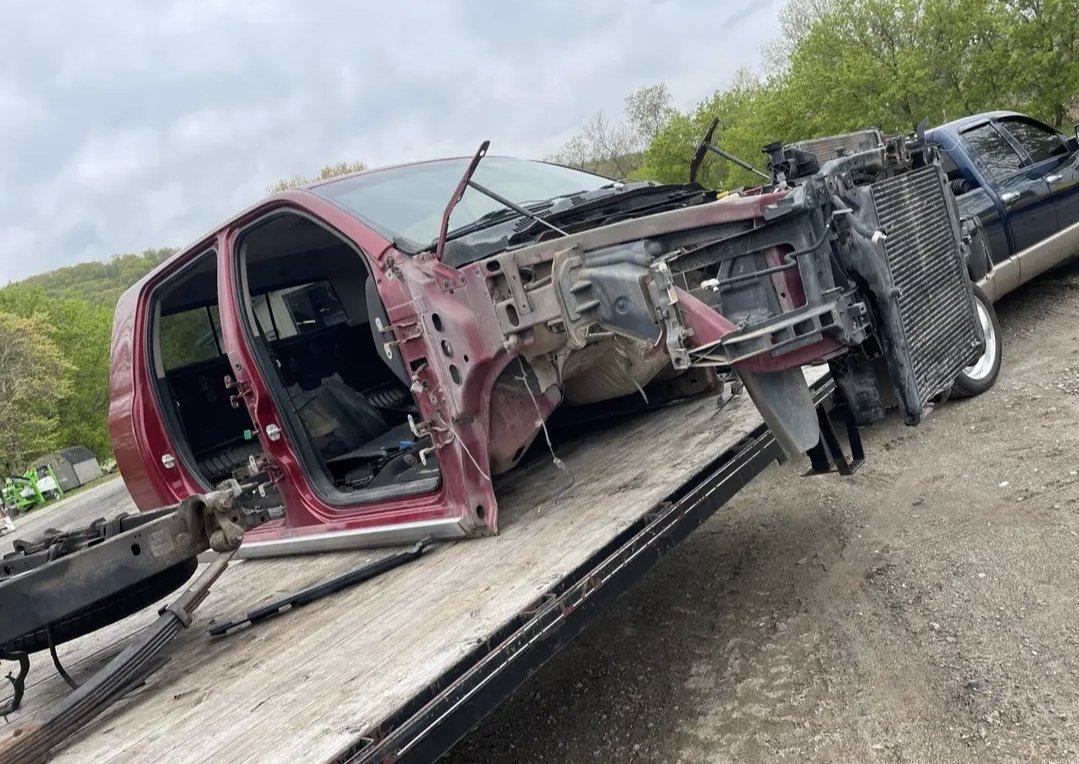
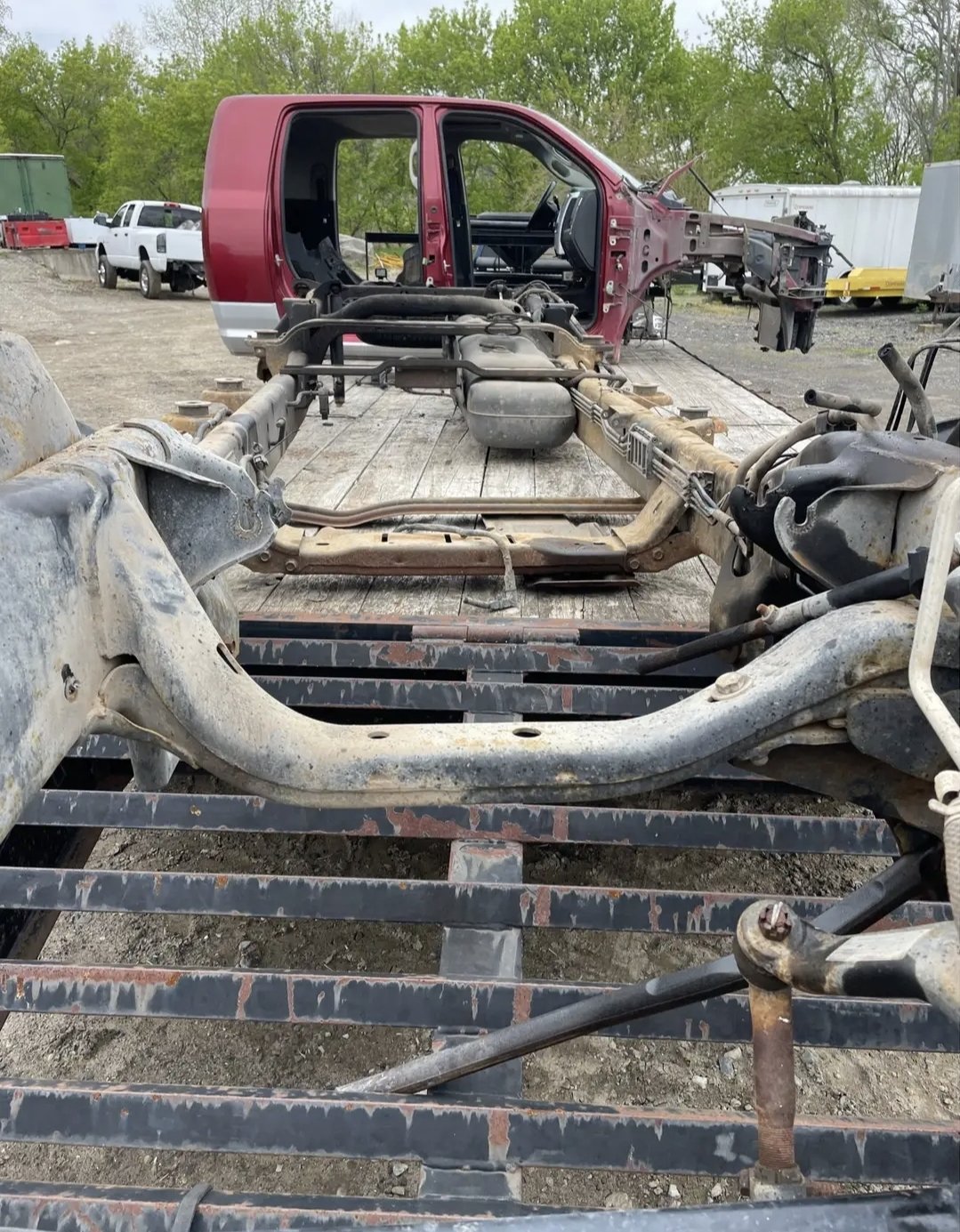
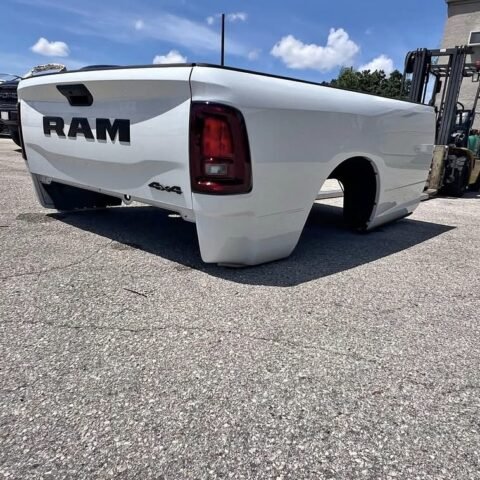
2012 Ram 2500 · Laramie Pickup 4D 6 1/3 ft
Compare this replacement truck bed listing from Apex Auto Spare Parts against the exact vehicle and repair you are planning. The catalog identifies the item as 2012 Ram 2500 · Laramie Pickup 4D 6 1/3 ft. This page brings together the stated identification, product-specific checks and a detailed buying guide for customers in the United States and Canada. It does not turn an unverified catalog detail into a manufacturer-certified interchange or a current inspection report.
For a quote or compatibility enquiry, use product reference 5990. The key selection issue is bed length, generation, mounting points and single- or dual-rear-wheel configuration. Start with the identification table, review the relevant condition and installation questions, and then use the regional ordering information to request the right delivery arrangement. Price, stock and sale settings remain the values supplied in the original product file; contact Apex to confirm the actual unit and order terms.
Product identification and specification checks
| Detail | Listing information or required confirmation |
|---|---|
| Product name | 2012 Ram 2500 · Laramie Pickup 4D 6 1/3 ft |
| Catalog reference | 5990 |
| Component family | replacement truck bed |
| Years referenced in product name | 2012 |
| Final compatibility | Confirm against the vehicle, equipment and physical item |
| Condition and inclusions | Request current item-specific evidence |
| Shipping quote | Provide country and ZIP or postal code |
Features to evaluate for this specific listing
The product name and supplied attribute fields provide the starting specification for this inventory reference. Focus on floor condition, crossmembers, filler opening, tailgate provision and the exact bed dimensions. These are selection criteria, not a statement that every option or accessory is included. If the title names a particular finish, position, length, technology or equipment package, preserve that detail in the quote and ask the seller to confirm it against the physical item.
A suitable replacement can help complete a repair without buying an unnecessarily broad assembly. The benefit depends on choosing the correct configuration and accounting for any transfer work. For this product, ask about tailgate, lamps, wiring, filler components, liner, mounting hardware and any hitch-related pieces. A bare component can make sense when the original accessories are reusable; a more complete item can be useful when the original assembly is damaged or missing parts. The correct choice follows the actual repair requirements.
Truck bed length and pickup-box measurements
Buyers often use short bed, standard bed, long bed, truck box and pickup bed as overlapping search terms. Those words are useful for finding candidates, but the actual dimensions must decide the purchase. Measure the floor using clearly identified endpoints and compare the mounting arrangement as well as the nominal length. A bed described by a rounded marketing dimension should not be substituted for a differently sized assembly because both are called short beds.
Record the distance to the wheel opening and compare the body shape around the cab and bumper. An assembly that looks similar from the side can still have a different filler opening or rear mounting arrangement. If the original bed is unavailable, ask a qualified parts specialist which vehicle measurements and application references should be used. Do not convert a cab configuration into an assumed bed length without checking the truck.
SRW, DRW and pickup versus chassis-cab configurations
Single-rear-wheel and dual-rear-wheel beds should be treated as different configurations unless a specific interchange is established. The shape around the rear wheels is only part of the comparison. Mounting, frame layout, fuel-filler position and the relationship to the cab can also matter. A heavy-duty model badge does not establish that a pickup bed fits a chassis-cab vehicle.
If the listing mentions a dually, utility arrangement, fifth-wheel preparation or another special configuration, ask exactly what is supplied. A visible hitch opening is not proof that a hitch or installation hardware is included, rated or compatible with your truck. Likewise, an existing liner or accessory mount does not increase payload or towing ratings. Match the component to the vehicle and have any towing-related work assessed separately.
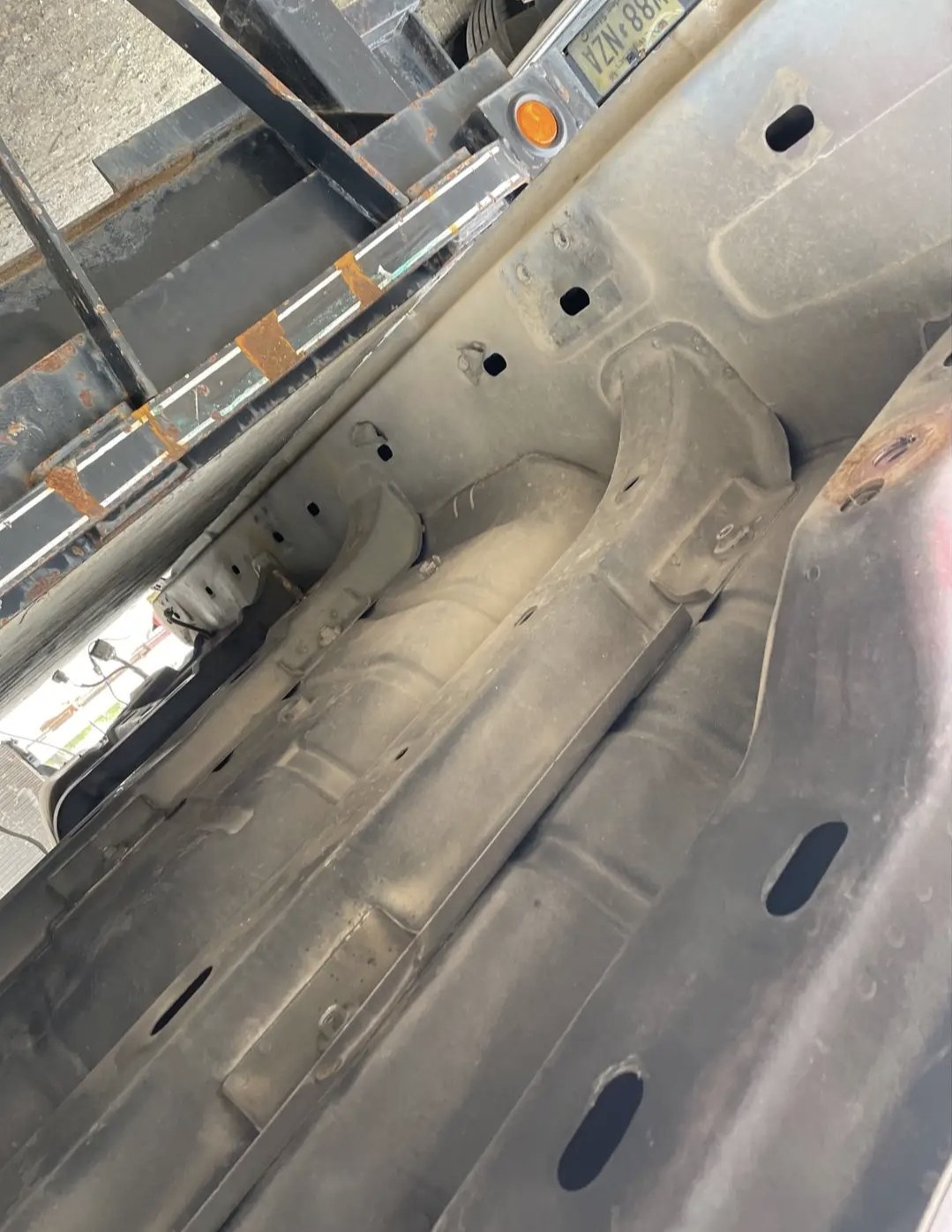
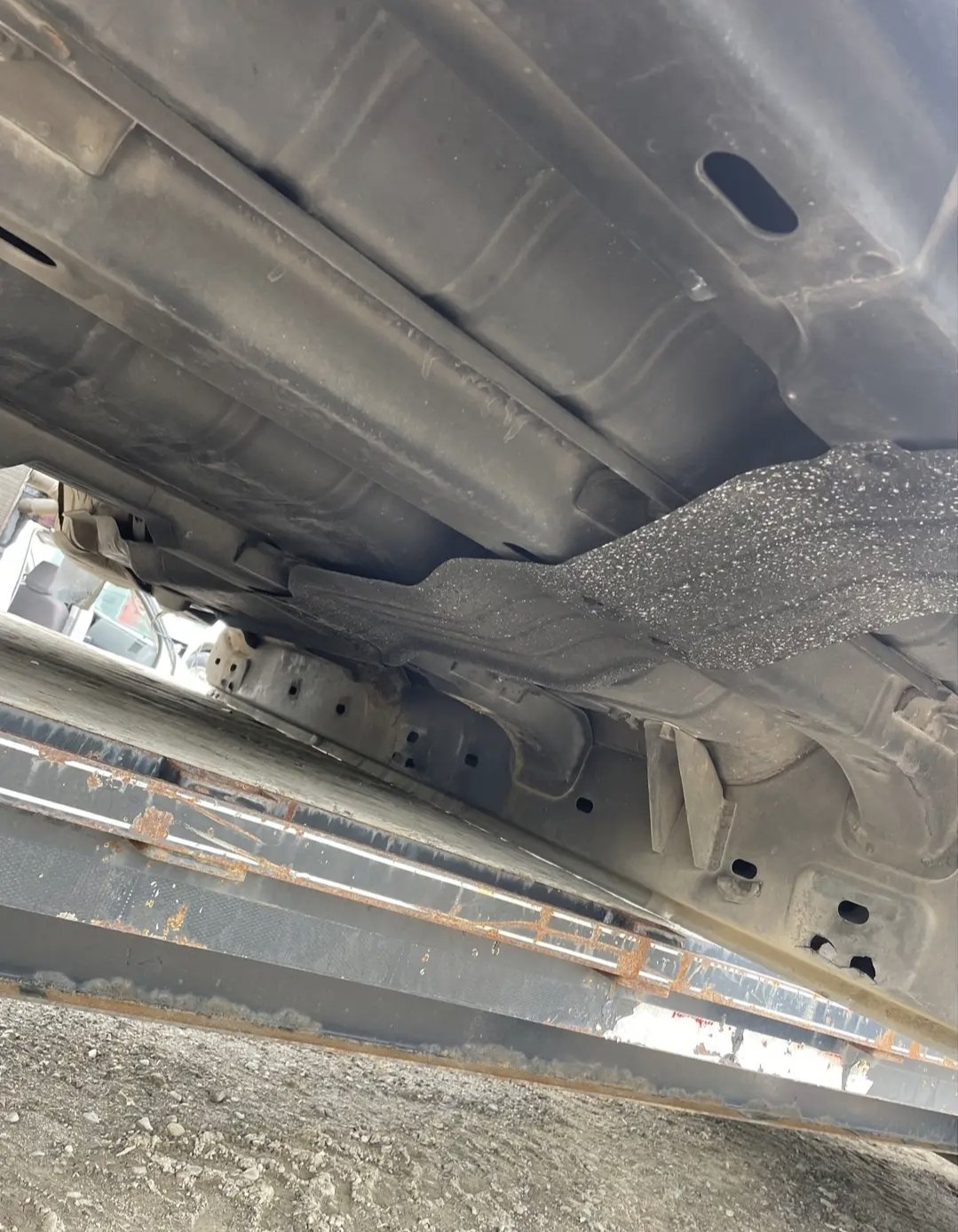
Inspecting the floor, seams and underside
Request underside views before judging a used bed by its exterior paint. Crossmembers, mounting areas and seams can reveal condition that a polished bedside does not show. Ask about previous patches, repairs and areas obscured by a liner or stored equipment. A spray-in coating or drop-in liner can be useful to a buyer, but its presence does not independently establish the condition of the metal underneath.
Ask whether the tailgate, lamps, harness, filler components and bed hardware are part of the order. Those items can change the practical value of a complete assembly, particularly if the original bed is severely damaged. Keep item-specific photographs with the stock reference. Multiple beds with identical titles should remain separate inventory units until their actual condition, finish and included components have been reviewed.
Start with the exact vehicle and the exact component
A useful parts enquiry starts with the vehicle you are repairing, not only the name of the component you want to buy. Record the model year, manufacturer, model, trim, cab configuration where relevant, and any information about previous modifications. Keep the vehicle identification number available for a private fitment discussion. A vehicle assembled near a generation change can require more careful identification than the year shown on a registration document suggests. The product name is a starting point for that comparison rather than a complete interchange certificate.
For replacement truck bed, the most important first check is bed length, generation, mounting points and single- or dual-rear-wheel configuration. Compare the listing against the actual vehicle and the component being removed. If those sources disagree, resolve the disagreement before purchasing. A similar appearance, matching badge, or shared model family does not establish identical mounting or equipment. Clear identification is useful to private owners, repair shops and fleet buyers because it reduces the chance of ordering a part that cannot complete the intended repair.
What the listing confirms and what still needs checking
This page separates details stated in the catalog from purchasing advice. A year, finish, brand reference or feature in the product name is reproduced as listing information; it has not become an independent inspection report simply because it appears in a longer description. Review the identification table above and ask for additional evidence where an essential detail is missing. A field marked for confirmation should remain an open question until the seller or a qualified parts specialist provides the answer for the particular item.
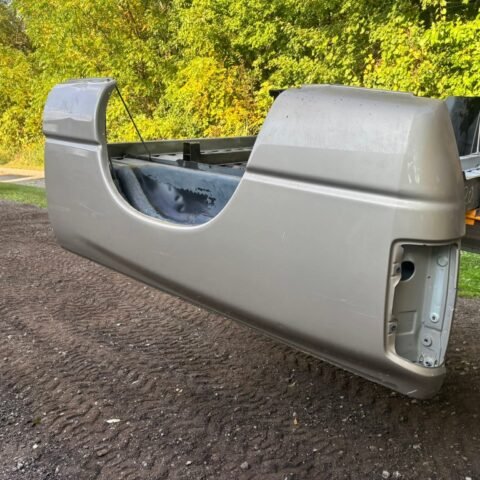
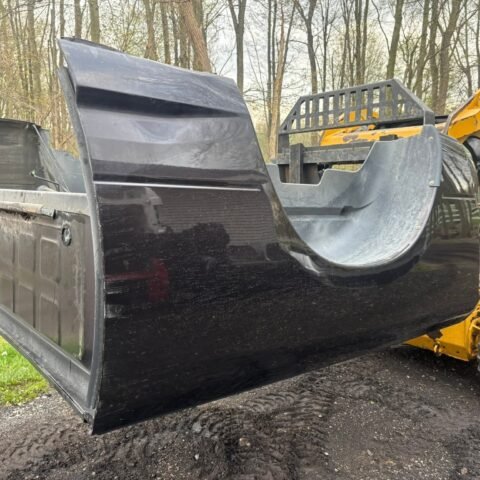
For this component, request underside photographs, measured bed length, wheel-arch position and a written list of tailgate and lighting inclusions. That is more useful than a general assurance that everything is standard. Ask the seller to connect the evidence to the inventory reference on your quote so that photographs and specifications relate to the same unit. If a photograph is representative rather than item-specific, establish that before relying on its condition or included accessories. This distinction matters especially for used, take-off and individually identified inventory.
How to compare two similar listings
When several search results look alike, compare the details that change whether the part will work. Put the candidate product names, stock references, application information, condition descriptions and included components side by side. Then add the questions that remain unanswered. The cheapest visible price does not necessarily describe the least expensive completed repair. A more complete item can save sourcing work, while a simpler assembly can be appropriate if your existing accessories are suitable for transfer.
Do not treat an uncertain fitment claim as an advantage over a cautious, properly documented listing. For replacement truck bed, compare floor condition, crossmembers, filler opening, tailgate provision and the exact bed dimensions. If one seller provides that information and another does not, the difference is a purchasing consideration. Ask for clarification rather than assuming the missing details match the better documented alternative. Keep the final comparison focused on your vehicle and intended repair, not on which advertisement contains the largest number of compatibility terms.
Model years, production changes and equipment packages
A model-year range can contain changes in body design, connectors, mounting details and optional equipment. A manufacturer’s light-duty and heavy-duty models may also follow different update schedules. The same marketing name can be used across more than one vehicle generation or regional specification. These are reasons to verify the complete application, not reasons to guess that every part needs modification. A documented match can still be straightforward once the correct configuration has been established.
For the listing under consideration, check cab and chassis configuration, SRW or DRW body shape, filler arrangement, lighting and tailgate equipment. If the vehicle has been repaired before, inspect what is actually installed as well as the original build information. A previous owner may have changed an assembly or added aftermarket equipment. Explain those changes when requesting advice. Do not extend the years in the product title, convert a model-specific claim into a universal one, or assume that adjacent years use the same components without a supporting reference.
Specifications and measurements worth recording
Record measurements with their units and a clear description of the endpoints. A bare number can be misleading if one person measures an outside surface and another measures an opening or mounting center. Photographs showing a tape measure in position can help communicate what was measured, but perspective can distort an estimate made from an image alone. If a dimension is critical to installation, ask for an actual measurement rather than scaling it from a catalog photograph.
The relevant checks here include inside floor length, mounting-center locations, width, wheel-arch position and clearance to the cab. Use a worksheet or message thread that preserves the measurement, units and item reference together. Do not replace a manufacturer specification with a rounded search term. Buyers comparing inches and millimeters should retain the original measurement as well as any conversion, particularly when a rounded figure could conceal a fitment difference. Where a catalog does not provide a necessary dimension, request it instead of filling the gap with a value from another listing.
OEM, replacement, aftermarket and take-off terminology
These terms describe different aspects of a component and should not be used as if they all mean new. OEM identifies an original-equipment relationship; an OEM component can still be used. Aftermarket identifies a supply category, not an automatic judgment about quality. Replacement describes the intended role. Take-off usually describes removal from a vehicle, but the term alone does not establish mileage, storage history or a flawless finish. Ask which meaning applies to the exact item on your quote.
When comparing replacement truck bed options, ask for the manufacturer identity or part number where available and review factory markings, donor details where available, body construction and the difference between OEM and OEM-style panels. A retailer’s stock number is useful for tracking an enquiry but is not automatically a manufacturer interchange number. Likewise, a retailer watermark does not change who manufactured the part. If a branded component is important to the purchase, confirm its identity through labels, markings or documentation rather than inferring it from styling or the category in which it appears.
Condition and current photographs
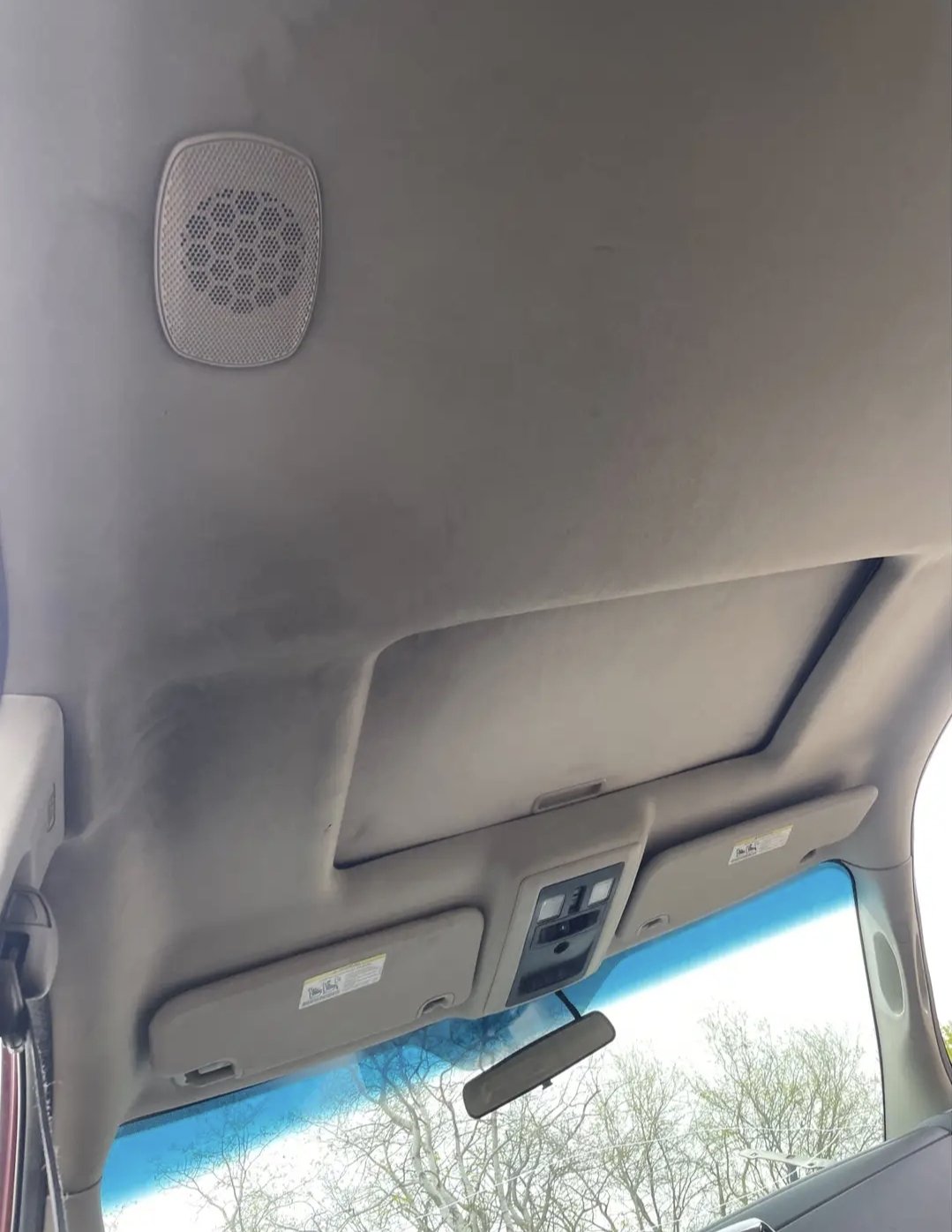
A condition description should help you decide whether the item is suitable for the repair. Ask for current photographs of the areas that matter rather than relying only on an attractive overall view. Lighting, reflections, dust and image compression can hide small defects or make harmless marks look severe. The purpose of additional photographs is to clarify those uncertainties. They should show the unit being supplied when condition is an important part of the purchase.
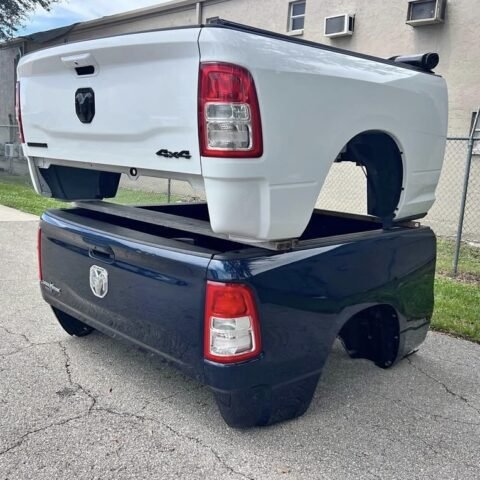
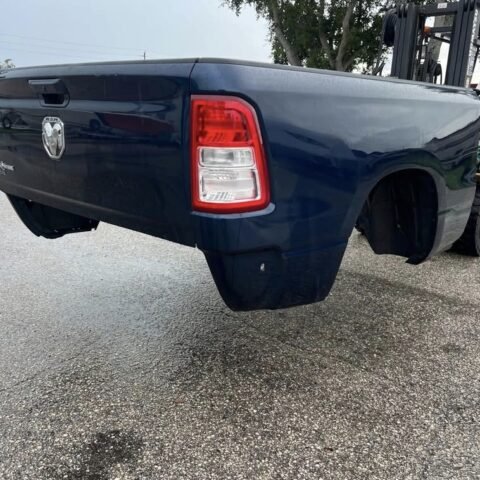
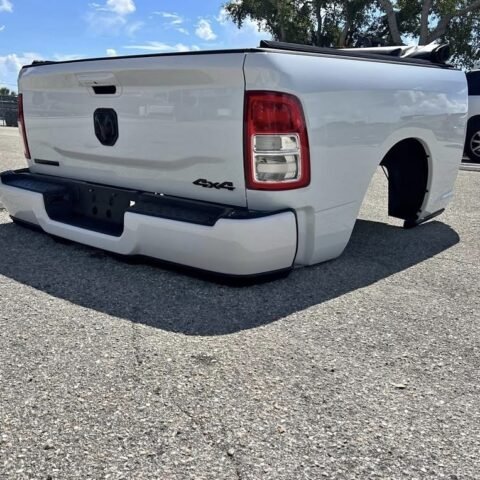
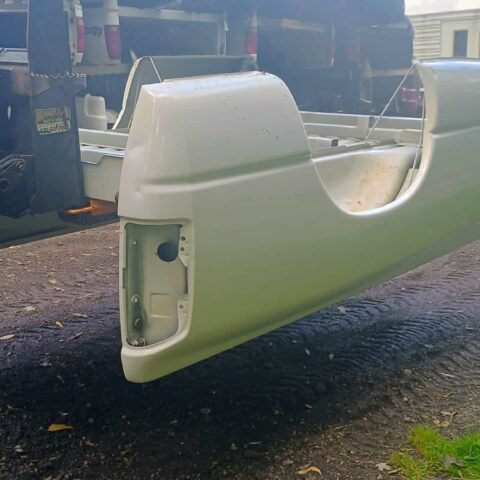
For this item, useful views include the floor, lower seams, crossmembers, mounting points, wheel arches and both exterior sides. Ask the seller to identify known damage, missing pieces, previous repairs or untested functions in writing. Avoid converting a broad word such as clean into a guarantee that every surface or function is perfect. If the listing describes rust-free condition, ask which surfaces were inspected and request the corresponding views. A product photograph should support the description, and image enhancement should not remove defects that a buyer needs to see.
Included components and the meaning of complete
A photograph can show accessories that are not part of the sale. A word such as complete can also mean different things to different sellers. Before ordering, request an itemized list of what is supplied and what must be transferred or purchased separately. This helps a workshop estimate the actual job instead of discovering missing parts after the vehicle has been dismantled. Ask the same questions even when the photograph appears to show an assembled component.
For replacement truck bed, clarify tailgate, lamps, wiring, filler components, liner, mounting hardware and any hitch-related pieces. Do not assume that every pictured item is included, tested or compatible with your existing equipment. If a component will be transferred from the original assembly, inspect whether it is reusable before relying on it in the repair plan. An item that is physically present may still need adjustment, coding, refinishing or replacement. Match the written inclusions to the quote and retain that record with the order.
Plan the completed repair rather than the part price alone
The displayed product price is only one part of a repair budget. Other potential costs include freight, packaging, handling, installation, refinishing, replacement hardware and any specialist work that the vehicle requires. Not every order involves all of these costs. The point is to identify which ones apply before comparing alternatives. A lower component price can be a good purchase when it matches the project, but it should not hide predictable work that still has to be paid for.
For this purchase, ask the installer to review removal of the old bed, frame inspection, replacement hardware, paintwork, accessory transfer and unloading. Separate confirmed charges from estimates and optional improvements. Keep the currency visible on each quote so that a US-dollar figure is not compared directly with a Canadian-dollar figure. If the seller cannot provide a final delivered total immediately, ask what information is missing and what the quoted amount covers. This produces a clearer decision than treating an advertised price as an all-inclusive repair cost.
United States buyer information
US buyers can request a quote using the vehicle details, item reference and destination ZIP code. State whether the delivery address is a residence, business or carrier terminal when that affects the service needed. If the item is large or unusually shaped, explain the available receiving arrangement before a carrier is selected. A business name does not necessarily mean the location has a dock, forklift or staff available to unload a shipment.
Use product-specific questions instead of assuming that nearby and long-distance orders have identical logistics. For replacement truck bed, discuss freight dimensions, crating, access restrictions and appropriate unloading equipment. Confirm the expected dispatch arrangement, carrier service and any appointment requirements in writing. This description does not promise a particular delivery date, shipping price or local warehouse presence in every state. Buyers comparing online suppliers should look for a clear connection between the exact product, destination and service being quoted.
Canadian buyer information
Canadian customers can provide the province, postal code, vehicle configuration and item reference to request an order-specific quote. Include whether the destination is residential, commercial or a terminal when relevant. For oversized components, receiving equipment and site access can matter as much as the distance to the destination. A written description of the location helps avoid selecting a service that cannot unload or access the property as expected.
For this component, clarify postal-code freight availability, commercial versus residential unloading and whether the quote crosses a border. Do not assume that a Canadian domain name establishes the physical dispatch point of every item or that all charges are included in a displayed price. Ask which currency applies and what delivery arrangement is available for your address. This page does not promise a domestic stock location in each province. It provides a purchasing route for checking the exact part and delivered cost before committing to an order.
Cross-border orders and destination charges
For a cross-border enquiry, ask the seller to identify the dispatch country and explain what the quote includes. Product classification, origin, value, destination and the arrangements agreed for the shipment can affect the charges. A component being shipped from the United States or Canada does not, by itself, establish where it was manufactured. Do not assume that a used part is automatically exempt from every duty, tax or handling charge.
Obtain order-specific guidance from the carrier, broker or relevant customs authority where required. Ask who will arrange clearance and who is responsible for destination charges before payment. This description intentionally avoids fixed tariff percentages or a promise of duty-free delivery. Those statements need current, shipment-specific support. Keep the invoice description accurate to the actual component and retain supporting information supplied with the order rather than relying on informal assumptions about cross-border auto parts.
Shipping preparation and delivery scope
Packaging should be appropriate to the size, shape and vulnerable areas of the item. A large body component and a small service part do not necessarily need the same carrier or protective materials. Ask how the part will be supported and which surfaces require protection. Discuss the shipment as a specific product rather than applying a generic parcel rate to every part in a store. The quoted service should be suitable for the actual package.
For replacement truck bed, relevant concerns include supported mounting areas, protected painted edges, securement and access for safe handling. Confirm whether the quote is for delivery to the address, delivery to a terminal or another agreed arrangement. Do not assume that a liftgate service includes mechanical installation, indoor placement or specialized handling after unloading. If you need an additional service, request it explicitly. Clear agreement about the limits of delivery helps both buyer and seller plan a smooth handover.
Residential, business and terminal receiving
Choose a receiving option that fits the package and your available resources. A residence may have access restrictions or limited unloading equipment. A workshop may have suitable staff and tools but still need an appointment. A terminal collection can require a suitable vehicle, securement equipment and confirmation of collection procedures. Ask the carrier or seller about the arrangement rather than assuming that every destination is treated as a standard parcel stop.
For this item, plan around the size of the complete bed, suitable lifting equipment and a safe place to inspect it. Confirm the recipient name, contact information and address details before dispatch. If someone else will accept the shipment, share the inspection and paperwork requirements with them. A delivery driver should not be expected to identify vehicle fitment or inspect a component for mechanical suitability. Receiving the shipment and accepting the product for installation are related steps, but they are not the same inspection.
Checking the shipment on arrival
Inspect the outside of the package before it is discarded and follow the carrier’s procedure for documenting visible concerns. Record the product reference, packaging condition and any apparent damage promptly. Retain the packaging while the concern is being reviewed. Clear photographs of both the container and the affected area are often more useful than a general statement that the shipment arrived in poor condition. Contact the seller with the order details so the issue can be linked to the correct shipment.
After unpacking, compare the supplied item with the written order. For this component, check bed dimensions, mounting areas, the underside, visible finish and all agreed loose components. Do not install an obviously incorrect or damaged part merely to see whether it might work. If there is a discrepancy, preserve the labels and avoid alterations while it is assessed. The correct response depends on the applicable seller and carrier procedures; this guide does not invent a universal claim deadline or promise an automatic refund.
Installation planning with your repair shop
A workshop can help identify work that is easy to overlook when buying a component online. Share the product details and available photographs before booking the job. Ask which fitment questions need resolving, what parts can be transferred, and whether any additional supplies or specialist services are likely to be needed. An informed estimate is more useful than an assumed labor figure based only on a product name.
For replacement truck bed, discuss mounting alignment, safe lifting, fuel-filler and wiring transfer, tailgate clearance and hardware selection. This description is purchasing guidance, not a substitute for a vehicle workshop manual or the component manufacturer’s instructions. It does not provide invented torque settings, wiring changes or structural repair procedures. Ask the installer to use the correct documentation for the exact application. If a fitment concern appears during the work, investigate the cause before modifying a part that may have been selected incorrectly.
Why test fitting and identification come before irreversible work
Where appropriate for the component, establish suitability before painting, drilling, cutting or making another irreversible change. A physical trial arrangement can reveal a mismatch that is not obvious in a photograph. It can also identify missing brackets or clearance problems before finishing work is carried out. The appropriate procedure depends on the type of part and the manufacturer’s instructions; some components require professional handling rather than an improvised trial installation.
The relevant checkpoint for this listing is checking the bed against the chassis before refinishing or making changes to mounting locations. Retain identification markings and compare the item with the agreed specification before altering it. If the supplied component differs from the order, report the discrepancy first. Modifying an uncertain part can make an exchange or diagnosis more complicated. A deliberate identification step protects the repair plan without assuming that every replacement needs modification or that every visual difference is a defect.
Avoid ordering from symptoms alone
A damaged or worn component can be an obvious replacement candidate, but a symptom does not always identify the failed part. A warning, noise, poor fit or operating problem may have more than one cause. When the repair involves a system rather than visible body damage, ask for a diagnosis before buying a component as a guess. A correct product for the vehicle can still be the wrong answer to an unrelated fault.
For this item, consider whether the damaged areas are confined to the bed or whether the chassis and adjacent mounts also need attention. Explain the reason for the replacement when contacting a workshop. That allows the installer to distinguish selection questions from diagnostic questions. This page does not guarantee that purchasing the listed component will eliminate every related symptom. It helps identify the part and the checks needed so that the order supports the actual repair rather than replacing a diagnosis with an advertising claim.
Finish, appearance and product photographs
Photographs are useful for understanding appearance, but color reproduction varies with lighting, camera exposure and the screen used to view the image. A named finish or paint-code reference is therefore more useful than a promise that a part will look identical on every vehicle. Existing paint can also change with age and previous repairs. If appearance is important, discuss the level of finish matching required before booking paintwork or ordering a painted component.
For this listing, review the stated color or paint code, exterior condition, liner coverage and any refinishing needed. Do not treat a manufacturer color name as an independent inspection of the actual surface. Ask about chips, scratches, repairs or refinishing where relevant. If the component is normally hidden, prioritize the functional and installation requirements instead of cosmetic similarity. Product images should help establish the correct item and condition; they should not replace written confirmation of features that cannot be determined reliably from a photograph.
Order records and communication
Keep the product reference, agreed specification, price, currency and delivery information together. If the item has an individual stock number, include it in the order and any later support enquiry. That reduces confusion when several similar components are available. Keep important confirmations in writing rather than relying only on a remembered phone conversation. Photographs should be associated with the correct reference so they remain useful if inventory changes or a different unit is discussed.
For this order, include the truck configuration, measured bed length, wheel arrangement, finish reference and tailgate inclusions. Share the same information with the person receiving the shipment and the workshop fitting it. If someone orders on behalf of another driver, confirm the vehicle details with the person who has access to the truck. Small misunderstandings about bed length, lamp side, engine equipment or included accessories can otherwise pass through several people before becoming visible at installation.
Warranty and return terms before installation
Read the current seller policies and ask which terms apply to the item and order. A description of a product family is not a separate unconditional warranty. New, used, take-off, special-order and modified items may be treated differently under the applicable terms. Clarify the position before purchasing rather than assuming that every online auto part has the same return arrangements. Keep the invoice and identification information in case support is needed.
If the supplied item appears incorrect, compare it with the written order before painting, cutting, wiring or fitting it. Contact the seller with the reference and supporting evidence. Do not infer a particular return window, labor reimbursement or shipping reimbursement from this guide. Those details require the actual policy and order terms. The aim is to make the purchase informed and reviewable while preserving the information needed to assess any later concern.
What to send Apex for a fitment and delivery enquiry
Send the product name or inventory reference together with the vehicle year, make, model and relevant equipment. Add current photographs or measurements where they answer a specific fitment question. Include your destination ZIP or postal code and country. If delivery is to a business or terminal, explain the receiving arrangement. This creates a useful starting point for checking compatibility and preparing an order-specific quote.
For replacement truck bed, include bed measurements, cab type, SRW or DRW configuration and photographs of the current bed and mounts. Ask the seller to confirm availability, condition, inclusions and the final specification in the same discussion. Use the Apex contact page for the enquiry rather than sending unnecessary personal information in a public product review. A clear request helps the team identify the right inventory unit and explain any remaining questions before payment. Keep the response with your quote so that the details remain available to your installer.
Item-specific comparison checklist
| Decision | Check for this product |
|---|---|
| Vehicle match | Bed length, generation, mounting points and single- or dual-rear-wheel configuration. |
| Measurements | Inside floor length, mounting-center locations, width, wheel-arch position and clearance to the cab. |
| Photographs | The floor, lower seams, crossmembers, mounting points, wheel arches and both exterior sides. |
| Inclusions | Tailgate, lamps, wiring, filler components, liner, mounting hardware and any hitch-related pieces. |
| Workshop planning | Mounting alignment, safe lifting, fuel-filler and wiring transfer, tailgate clearance and hardware selection. |
| Delivery | Freight dimensions, crating, access restrictions and appropriate unloading equipment. |
| Unresolved questions | Actual bed measurements and underside photographs linked to the quoted inventory unit. |
Frequently asked buying questions
Will this fit my vehicle?
Use the complete vehicle specification and the exact listing reference rather than relying only on a matching badge or a similar photograph. For this item, verify bed length, generation, mounting points and single- or dual-rear-wheel configuration. Any year or equipment detail stated in the title is a catalog reference to check, not permission to extend compatibility to other configurations. Send Apex the relevant information and ask for confirmation before ordering.
What should I check before choosing this part?
Start with actual bed measurements and underside photographs linked to the quoted inventory unit. Then review condition, inclusions and the work needed to complete the repair. Put essential unanswered questions into the quote discussion so they are resolved before the purchase. If the vehicle is modified or the original part is missing, explain that situation because it can change the evidence needed to establish a suitable match.
What photographs should I request?
Ask for the floor, lower seams, crossmembers, mounting points, wheel arches and both exterior sides. Link the photographs to the quoted product reference and establish whether they show the actual item being supplied. A general gallery can explain product appearance but may not document a particular used unit. If the picture does not answer a condition question clearly, ask for a closer view or a written description rather than guessing.
Are all pictured accessories included?
Not automatically. Confirm tailgate, lamps, wiring, filler components, liner, mounting hardware and any hitch-related pieces. Ask for the inclusions in writing and identify which pieces must be transferred from your existing part. A photograph may include nearby accessories, installed equipment or loose pieces that are outside the sale. Establishing the package contents makes the quoted product easier to compare with other options and helps your installer plan the job.
Can I order from the United States?
Ask Apex for an order-specific availability and delivery quote using your ZIP code and the inventory reference. Explain the receiving location and any access or unloading restrictions. This page does not promise stock in your state or a fixed delivery time. Confirm the dispatch point, currency, included charges and service scope before relying on a displayed product price as the delivered total.
Can I order from Canada?
Provide your province, postal code and the item reference so the available delivery arrangement can be checked. Confirm postal-code freight availability, commercial versus residential unloading and whether the quote crosses a border. If the shipment crosses a border, ask which charges are included and which are payable separately. A Canadian website address is not proof of the dispatch location for an individual inventory item, so ask for the arrangement that applies to the quote.
How much will the completed replacement cost?
The completed cost depends on the quoted part and the work required for your vehicle. For this component, review removal of the old bed, frame inspection, replacement hardware, paintwork, accessory transfer and unloading. Compare totals in the same currency and separate confirmed charges from estimates. Do not assume a lower advertised price is automatically better value if essential accessories, finishing or receiving services remain outside the quote.
Should a workshop inspect the listing first?
A workshop review is useful when the application, condition or installation work is uncertain. Share the specification and photographs before booking the job and discuss mounting alignment, safe lifting, fuel-filler and wiring transfer, tailgate clearance and hardware selection. A product description cannot replace the current service instructions or a diagnosis. The installer can help identify practical requirements before the vehicle is dismantled and the existing component becomes unavailable for comparison.
What should I do if the delivered item looks different?
Compare the supplied reference, specification and inclusion list with the written order. Record the difference and retain packaging and identification labels. For this item, inspect bed dimensions, mounting areas, the underside, visible finish and all agreed loose components. Contact Apex before altering or fitting an uncertain component. Follow the actual seller and carrier procedures rather than assuming that a general buying guide establishes an automatic refund or universal claim deadline.
Does a replacement upgrade vehicle ratings?
Do not interpret a replacement part as increasing the vehicle manufacturer’s approved payload, towing capacity or other system limits. A suitable component can restore a function or complete a repair, but a rating increase needs separate supporting information. Choose the exact part for the repair and retain required equipment rather than treating an aftermarket or replacement label as proof of additional capability.
How do I keep similar inventory items separate?
Use the catalog reference 5990 together with the complete product name in your quote and order records. Keep photographs, measurements and condition notes attached to that reference. Similar titles may describe different physical units, finishes or equipment. Do not substitute one unit for another without reviewing its actual condition and configuration, even when both appear under the same broad model-year range.
Where can I find related Apex information?
Use the related reading links below for background on buying and inspection. These links help explain the process; they do not replace the specification of the product you are considering. Browse related categories to identify alternatives, then check each candidate against the actual vehicle. Contact Apex when a fitment or delivery question requires an answer tied to a particular inventory unit.
Related Apex blog articles and buying guides
- How Much Does a Ram 1500 Truck Bed Cost? Replacement, Shipping & Installation Factors
- Used Ford F-150 Truck Bed Buying Guide: Inspection, Fitment, Shipping & Common Mistakes
- Parts Inspection Inventory and Shipping
- Truck Parts Delivery Across Canada and the United States
For more background, browse the Apex Auto Spare Parts blog and the truck beds and auto parts buying guides. Read the shipping and freight policy, warranty and used-part condition policy, and returns policy before placing an order. Apply those policies to the actual quote and ask about any term that is unclear.
Browse related Apex product categories
Request the right part for your US or Canadian repair
To discuss 2012 Ram 2500 · Laramie Pickup 4D 6 1/3 ft, quote reference 5990 and send bed measurements, cab type, SRW or DRW configuration and photographs of the current bed and mounts. Add your ZIP or postal code and country for the delivery enquiry. Ask Apex to confirm the unit, specification, condition, inclusions and order terms together so that your installer and receiving contact can work from the same information.
Visit apexautospareparts.ca to browse the store or use the Apex contact page for a private product enquiry. The purpose of this guide is a better-informed purchase: the right component, a documented match, a clear completed-cost comparison and a practical plan for receiving and installing it. Keep the final specification and quote with your order records.
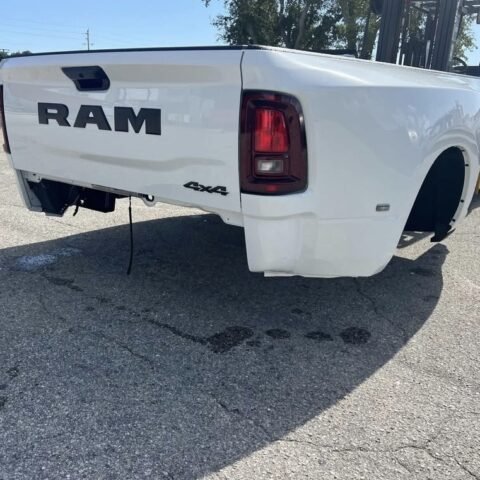
There are no reviews yet.