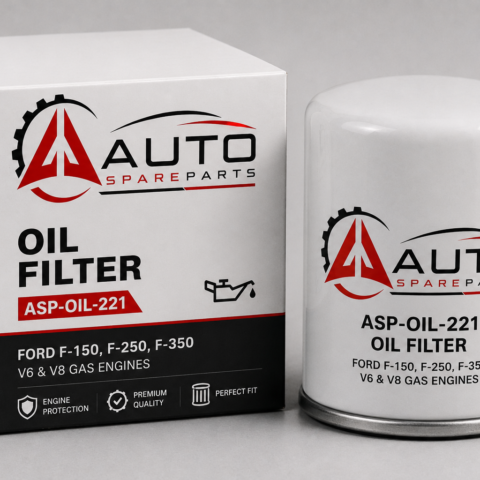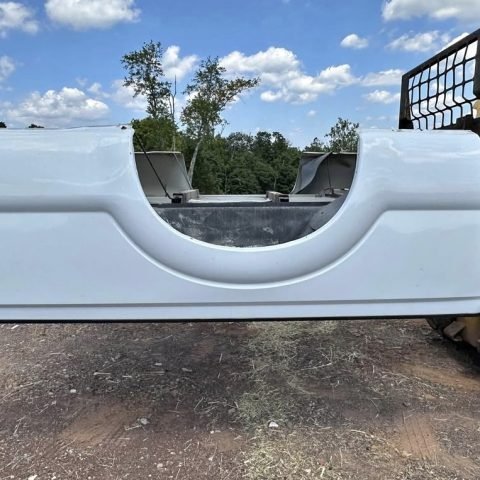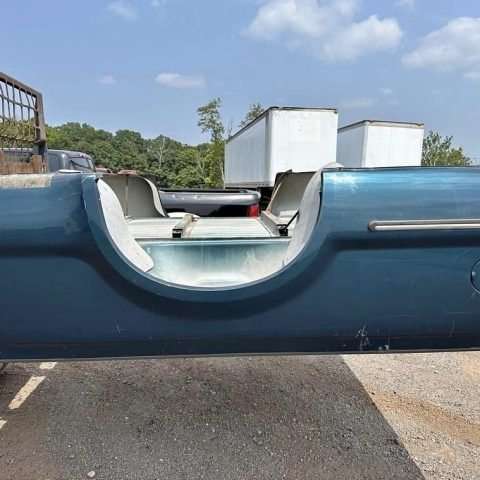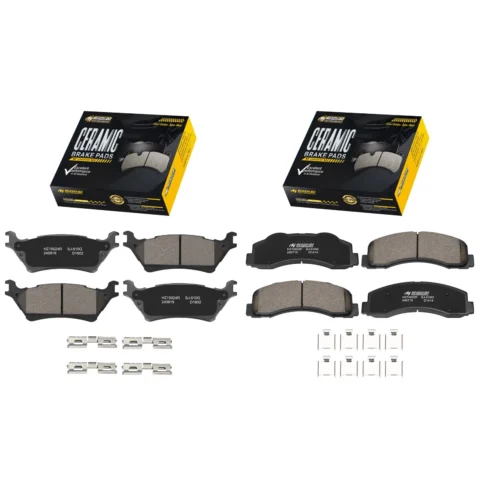
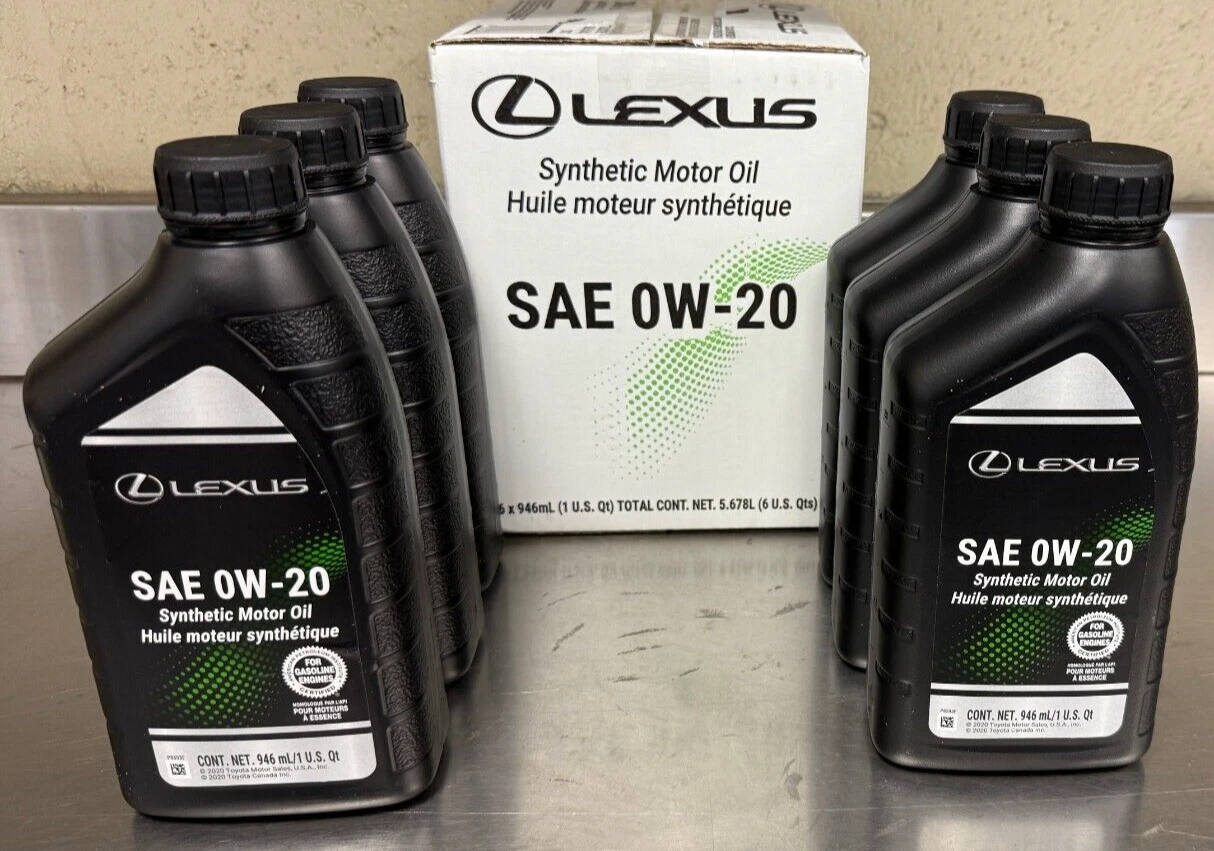
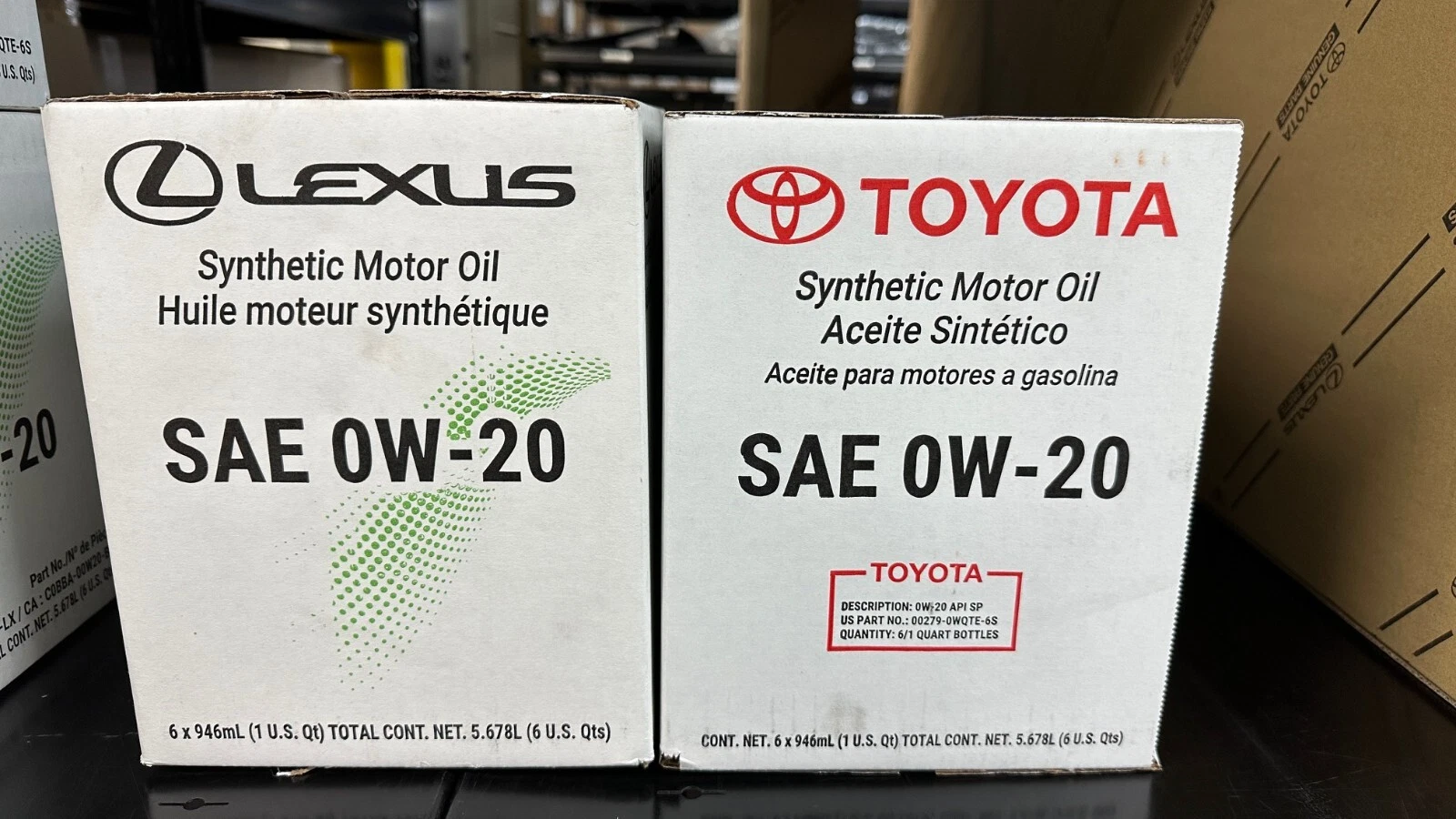
Full Synthetic 0W-20, 5-Litre Jug, API SP Certified. 0W-20 is a thinner, fuel-economy-focused oil grade specified by many newer Ford EcoBoost engines and Toyota V6/V8 truck engines. Apex Auto Spare Parts stocks 0W-20 full synthetic ready to ship across Canada and the US. 0W-20 synthetic oil Canada Ford Toyota
Quick Specs
| Viscosity Grade | 0W-20 |
| Type | Full Synthetic |
| API Certification | API SP |
| ILSAC Rating | GF-6A |
| Container Size | 5 Litres (5L jug) |
| Recommended Interval | 8,000–12,000 km — confirm against owner’s manual |
Common Applications for 0W-20 synthetic oil Canada Ford Toyota
- Ford F-150 — 2.7L, 3.5L EcoBoost (2015+)
- Ford F-150 — 5.0L V8 (2018+ specifies 0W-20)
- Toyota Tundra — 5.7L V8 (most model years)
- Toyota Tacoma — 3.5L V6 (2016+)
💡 The 0 in 0W-20 means better cold flow: The ‘0W’ rating indicates excellent flow at very low temperatures — oil reaches critical engine components faster on a cold Canadian morning compared to 5W oils.
Why the Shift to Thinner Oils?
- Thinner oils reduce internal engine friction, improving fuel economy by a small but measurable margin
- Modern engines are manufactured to tighter tolerances that work well with thinner oils
- Manufacturers calibrate engine specifications around these oils — using thicker oil than specified can actually reduce protection in some modern designs
Don’t Guess — Check Your Cap or Manual
The single most reliable source for your correct oil grade is the oil fill cap (often printed directly on it) or your owner’s manual. If you’re switching from an older vehicle that used 5W-30, don’t assume your newer truck uses the same grade.

Not sure which oil your engine needs?
Call or WhatsApp us with your year, make, model & engine — we confirm the correct viscosity and spec before you order.
📞 💬 WhatsAppFrequently asked questions
- What is the best full synthetic 0W-20 oil for newer Ford and Toyota trucks?
The best choice is one that meets the manufacturer’s specific viscosity and certification requirements for your model year, since newer Ford and Toyota truck engines (such as EcoBoost and Tundra V6 engines) are often calibrated tightly around 0W-20 full synthetic formulations for fuel economy and cold-start protection. - Is 0W-20 full synthetic oil better than conventional oil for truck engines?
Full synthetic oil generally offers better cold-flow performance, oxidation resistance, and engine cleanliness over conventional oil, which is why most newer Ford and Toyota trucks specify it as standard or recommended. - How much does a 5L jug of full synthetic 0W-20 typically cost?
Pricing varies by brand and retailer, but a 5L jug of full synthetic 0W-20 oil typically falls in the mid-range compared to smaller quart bottles, often offering a lower cost per liter; checking current pricing and requesting a quote from your supplier is the most accurate way to compare. - Is this oil certified for use in my Ford or Toyota truck?
Check the jug label or product spec sheet for relevant API, ILSAC, and manufacturer-specific certifications (such as Ford WSS-M2C947-A or Toyota’s standards), since certification requirements differ by engine and model year. - Where can I buy a 5L jug of this oil near me?
Availability depends on your local auto parts stores, dealerships, or service centers; searching “0W-20 full synthetic 5L near me” or checking with a nearby trusted service provider is the fastest way to confirm stock. - How often should I change full synthetic 0W-20 oil in a newer truck?
Most newer Ford and Toyota trucks use oil life monitoring systems rather than fixed mileage intervals, so the dashboard oil life percentage combined with your owner’s manual guidance is the most reliable way to time a change. - Can I use 0W-20 oil interchangeably between Ford and Toyota trucks?
While both Ford and Toyota commonly specify 0W-20 full synthetic for newer trucks, it’s worth confirming the specific certification each manufacturer requires, since their additive and approval standards can differ even at the same viscosity grade. - How do I compare different full synthetic 0W-20 brands before buying?
Comparing brands typically comes down to certification match for your vehicle, price per liter, customer reviews, and whether the formulation meets your truck’s specific OEM requirements rather than viscosity grade alone.
Questions About Full Synthetic Engine Oil 0W-20 — 5L Jug — Newer Ford & Toyota Trucks
Will this part fit Ford or Toyota?
Fitment depends on the exact year, model, configuration and factory options. Send your VIN and the product link to Apex Auto Spare Parts for confirmation before purchase.
What is included with this product?
Use the product photographs and written listing to confirm the included components. Ask for current inventory photographs when any detail is unclear.
Can this part be shipped across Canada or the United States?
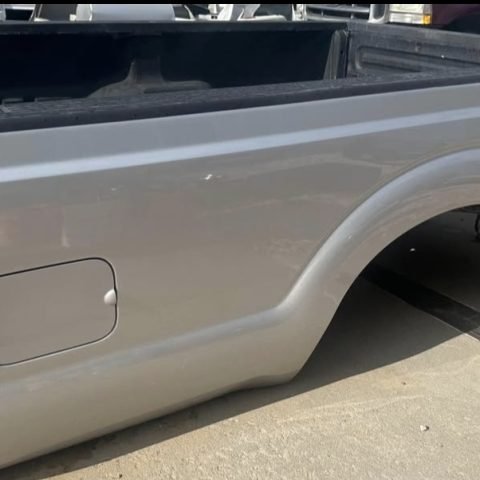
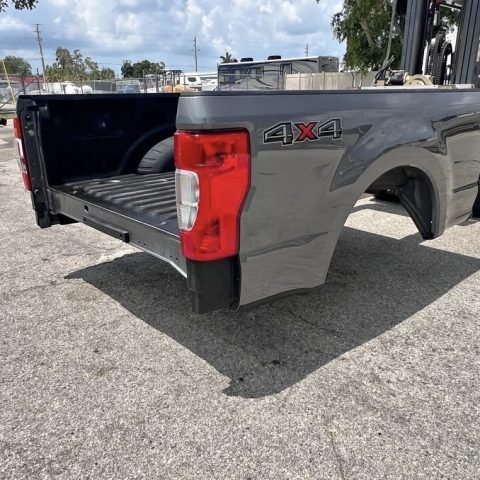
Shipping is available to many Canadian and US destinations. Large body parts and truck beds require a separate freight quote based on size, location and unloading requirements.
How should I confirm condition before ordering?
Review all gallery photographs and request close-up images of mounting points, underside areas and visible cosmetic wear. Used parts may show normal signs of prior use.