Searching for reliable information about what’s the difference between grade a and grade b used parts usually means a repair, restoration or purchase decision is already underway. This practical guide explains the fitment details, condition checks, pricing questions and shipping information that matter before money changes hands. It is written for Canadian and United States truck owners comparing used truck beds for sale, OEM components, used parts and replacement options.
No online guide can confirm a part from a photograph alone. Vehicle year, make, model, trim, cab configuration, drivetrain, bed length, single-rear-wheel or dual-rear-wheel layout and factory option codes can all change compatibility. Use this article to prepare the right questions, then confirm the VIN and measurements with the seller or installer.
Quick answer
The best decision is the option that matches the vehicle’s verified specifications, intended use, condition standard and total delivered cost. Compare the part number and measurements, inspect structural and mounting areas, ask what hardware is included, obtain a written freight quote and avoid relying on a title or paint colour as proof of fitment.
Why what’s the difference between grade a and grade b used parts matters
The wrong component can create alignment, handling, electrical, cosmetic or safety problems and can turn an apparently inexpensive purchase into an expensive return. The right approach connects search intent with evidence: identify the vehicle, define the required part, compare equivalent options and document the transaction. This is especially important when shopping across provincial or international borders.
Buyers often search broad phrases such as used truck beds for sale, truck part shipping Canada, truck bed fitment, buy replacement truck bed online. Those phrases are useful for discovery, but a purchase should narrow to year, make, model, generation, configuration, part number, condition and location. Long-tail searches generally describe a more specific need and can lead to more relevant inventory.
A practical eight-point buying framework
Use the following framework for what’s the difference between grade a and grade b used parts. Keep the answers in one email or invoice so the seller and installer are working from the same information.
1. Vehicle identity and VIN
Vehicle identity and VIN should be documented before ordering used truck beds for sale. Ask for current, high-resolution photographs and written confirmation instead of relying on a generic catalogue image. Compare the answer with the vehicle label, owner documentation or manufacturer information. A few minutes spent verifying this point can prevent return freight, installation delays and a part that looks correct but cannot be mounted safely.
2. Factory part number or interchange number
Factory part number or interchange number should be documented before ordering used truck beds for sale. Ask for current, high-resolution photographs and written confirmation instead of relying on a generic catalogue image. Compare the answer with the vehicle label, owner documentation or manufacturer information. A few minutes spent verifying this point can prevent return freight, installation delays and a part that looks correct but cannot be mounted safely.
3. Measurements and mounting locations
Measurements and mounting locations should be documented before ordering used truck beds for sale. Ask for current, high-resolution photographs and written confirmation instead of relying on a generic catalogue image. Compare the answer with the vehicle label, owner documentation or manufacturer information. A few minutes spent verifying this point can prevent return freight, installation delays and a part that looks correct but cannot be mounted safely.
4. Cab, bed and axle configuration
Cab, bed and axle configuration should be documented before ordering used truck beds for sale. Ask for current, high-resolution photographs and written confirmation instead of relying on a generic catalogue image. Compare the answer with the vehicle label, owner documentation or manufacturer information. A few minutes spent verifying this point can prevent return freight, installation delays and a part that looks correct but cannot be mounted safely.
5. Material and structural condition
Material and structural condition should be documented before ordering used truck beds for sale. Ask for current, high-resolution photographs and written confirmation instead of relying on a generic catalogue image. Compare the answer with the vehicle label, owner documentation or manufacturer information. A few minutes spent verifying this point can prevent return freight, installation delays and a part that looks correct but cannot be mounted safely.
6. Included hardware and accessories
Included hardware and accessories should be documented before ordering used truck beds for sale. Ask for current, high-resolution photographs and written confirmation instead of relying on a generic catalogue image. Compare the answer with the vehicle label, owner documentation or manufacturer information. A few minutes spent verifying this point can prevent return freight, installation delays and a part that looks correct but cannot be mounted safely.
7. Paint, finish and cosmetic grade
Paint, finish and cosmetic grade should be documented before ordering used truck beds for sale. Ask for current, high-resolution photographs and written confirmation instead of relying on a generic catalogue image. Compare the answer with the vehicle label, owner documentation or manufacturer information. A few minutes spent verifying this point can prevent return freight, installation delays and a part that looks correct but cannot be mounted safely.
8. Delivered price, warranty and return terms
Delivered price, warranty and return terms should be documented before ordering used truck beds for sale. Ask for current, high-resolution photographs and written confirmation instead of relying on a generic catalogue image. Compare the answer with the vehicle label, owner documentation or manufacturer information. A few minutes spent verifying this point can prevent return freight, installation delays and a part that looks correct but cannot be mounted safely.
Compare the available replacement routes
There is no single best source for every repair. Compare like with like and choose the route that gives adequate evidence, acceptable condition and reasonable total cost.
| Option | Best for | Questions to ask |
|---|---|---|
| OEM take-off | Factory-style fit and original construction | Why was it removed, what is included and which exact configuration does it fit? |
| Used OEM | Value-focused repairs and restorations | Where is the rust, damage or prior repair, and are current photos available? |
| New aftermarket | New material when factory inventory is limited | Who manufactured it, what warranty applies and how consistent is the fit and finish? |
| Repair existing part | Localized cosmetic damage with sound structure | Will repair labour exceed replacement cost, and can factory alignment be restored? |
How to confirm fitment before buying
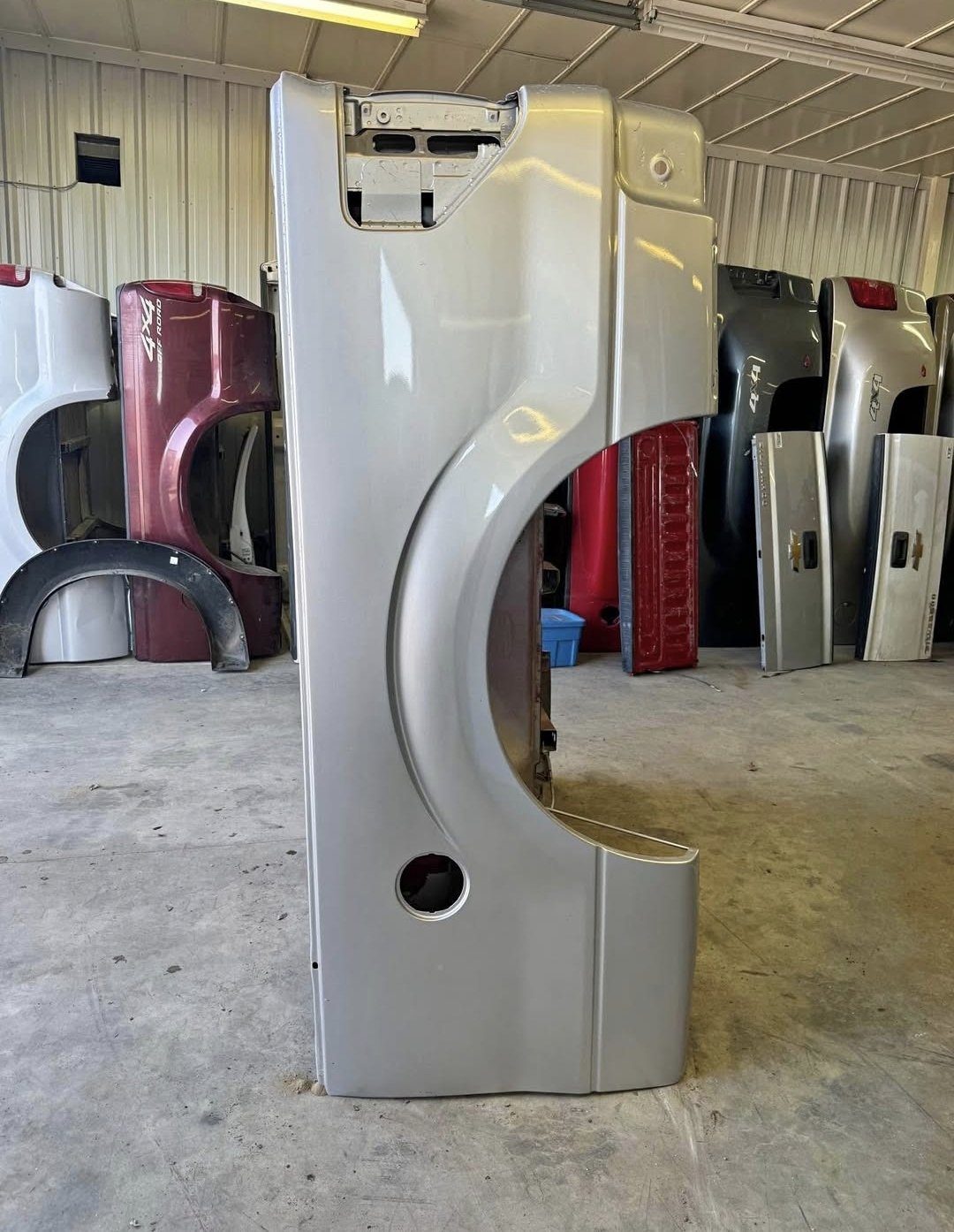
Fitment is a chain of evidence, not a guess. Start with the full VIN and decode the year, manufacturer and vehicle attributes. Then record the model, trim, cab style, drivetrain, engine, axle type and any factory package that changes brackets, wiring or body dimensions. For a truck bed, measure inside length, outside width, wheel-opening position, fuel-door side and mounting-hole pattern. For mechanical or electrical parts, compare the complete OEM number and connector design.
Model names often span several generations. A part advertised for “Ford Super Duty,” “Chevrolet Silverado,” “GMC Sierra,” “Ram” or “Toyota Tundra” may fit only a narrow year range. Mid-year production changes also occur. Ask the seller to state the donor vehicle when known and whether compatibility is based on a verified interchange catalogue or only visual similarity.
How to evaluate condition from a listing
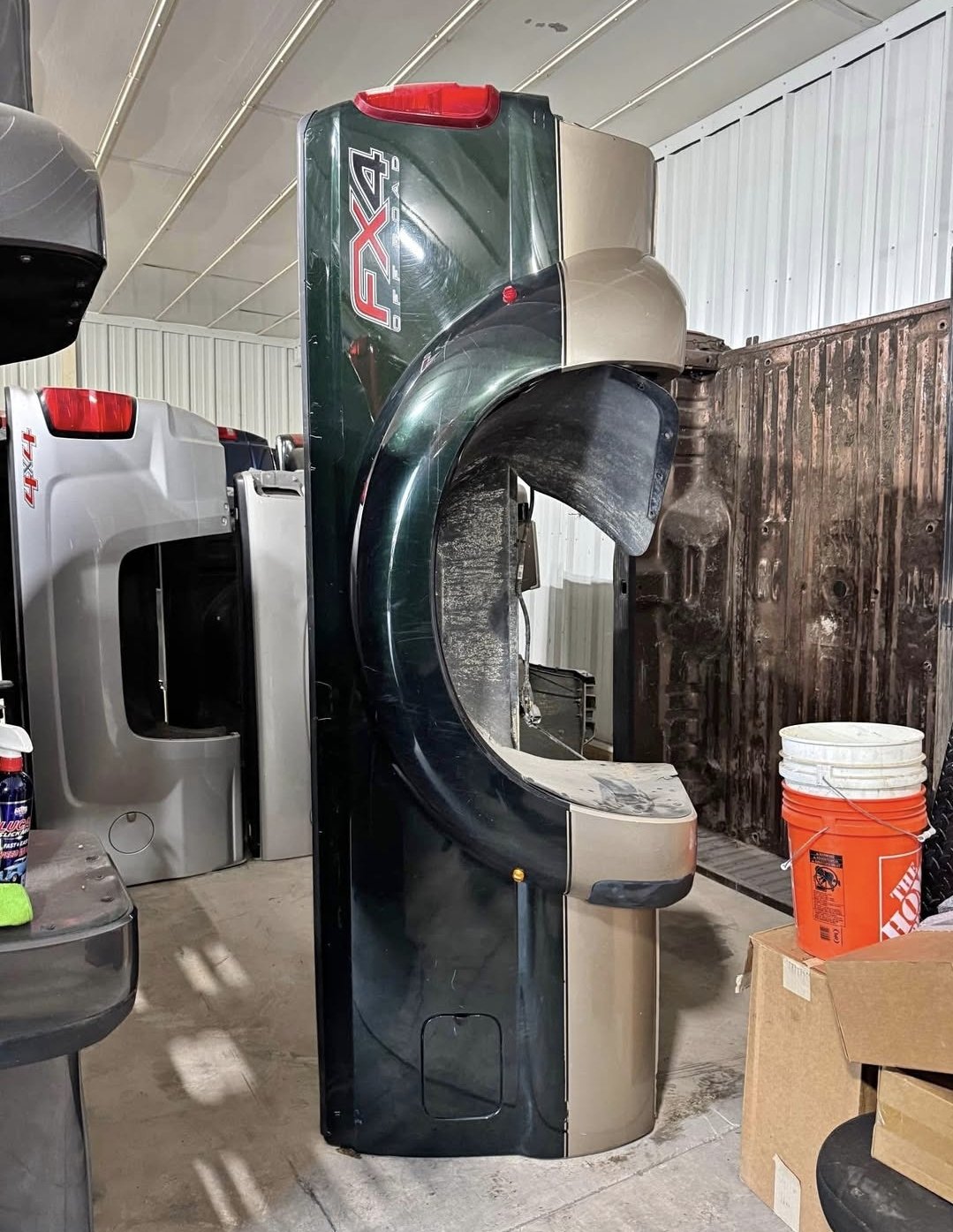
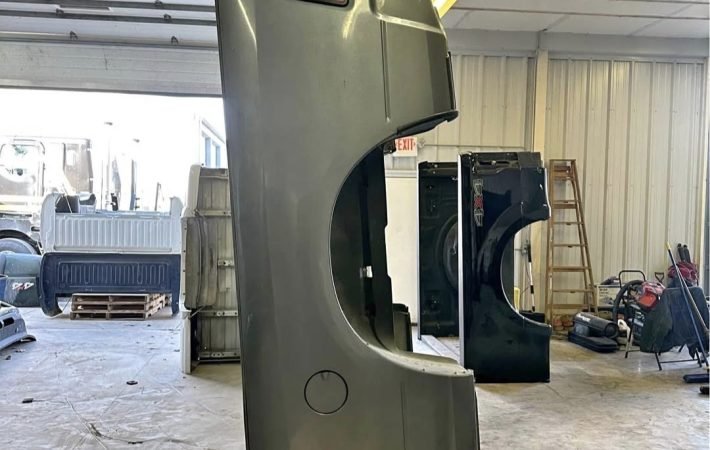
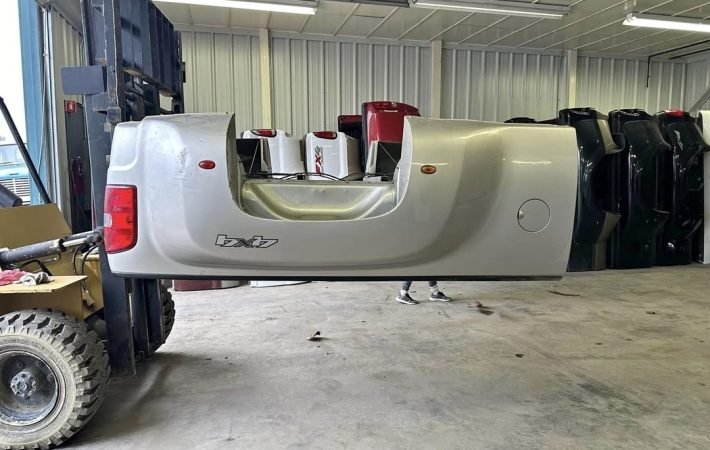
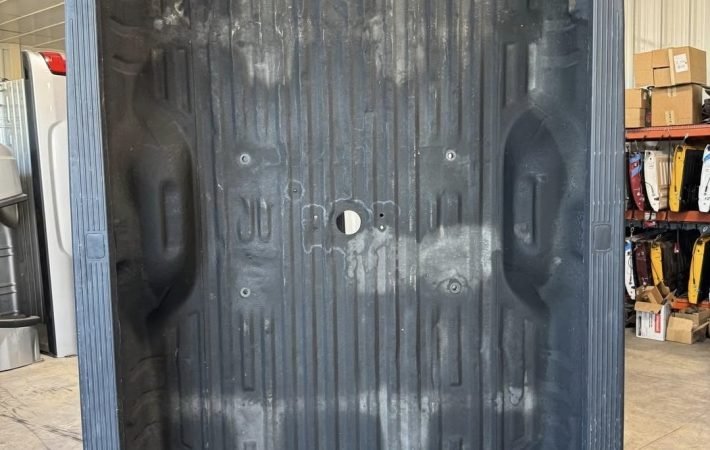
Good listing photographs should show the complete component and the areas most likely to hide problems. Request straight-on views, both sides, underside, mounting points, seams, drain areas, electrical connectors, labels and close-ups of every defect. Fresh undercoating, heavy dirt or a single distant photograph can make evaluation difficult. Ask whether the part has been repaired, welded, filled, repainted or exposed to road salt.
Separate structural condition from cosmetic grade. Scratches and small dents may be acceptable for a work truck, while distortion, cracked mounts, severe corrosion or missing reinforcement can affect installation and safety. Grade labels such as A or B are useful only when the seller explains the grading standard in writing.
Price, value and buying-intent comparison
The meaningful number is the total delivered and installed cost, not only the advertised price. Add taxes, packaging, pallet or crate charges, terminal fees, residential delivery, liftgate service, paint work, hardware, wiring, labour and disposal of the old component. Large items can cost more to return than small parcel parts, so written fitment confirmation has real financial value.
When comparing used truck beds for sale, truck part shipping Canada, truck bed fitment, buy replacement truck bed online, check whether each listing includes the same components. A complete assembly may include trim, lights, wiring, brackets or hardware, while a lower-priced shell may include none of them. Ask for an itemized quotation and avoid sending payment until the seller identity, invoice, terms and delivery address are confirmed.
Shipping heavy parts in Canada and the United States
Heavy truck parts commonly move by freight rather than parcel delivery. The quotation depends on packaged dimensions, weight, origin, destination postal or ZIP code, business versus residential delivery, liftgate needs and whether a forklift or loading dock is available. Ask whether delivery is terminal-to-terminal, commercial-address or residential service.
Before dispatch, the seller should photograph the part, protective wrapping, pallet or crate and shipping label. The buyer should inspect the freight before signing, note visible damage on the delivery receipt and follow the carrier’s claim procedure promptly. Transit estimates are not guarantees; weather, remote-area service and carrier transfers can add time.
Installation planning and safe hand-off
Plan installation before the freight arrives. Confirm the unloading method, workspace, lifting capacity, helpers, fasteners, seals, wiring adapters, corrosion protection and calibration or alignment work. Keep the old component until fitment is confirmed. Photograph connectors and hardware before disassembly and label reusable items.
This guide is educational and not a substitute for the manufacturer’s repair manual. Brakes, suspension, steering, structural panels, batteries and large body assemblies require correct procedures and equipment. If the job is outside your training or tools, arrange professional installation and inspection.
Common mistakes to avoid
- Buying from the model name without checking the year range
- Assuming paint colour proves interchangeability
- Ignoring SRW versus DRW or cab and bed configuration
- Accepting old or generic photographs as current condition evidence
- Comparing price without comparing included components
- Paying before receiving written terms and a detailed invoice
- Forgetting packaging, freight and unloading requirements
- Starting installation without manufacturer procedures or qualified help
Buyer checklist before payment
Confirm the seller’s business name and contact information; save the advertisement; verify the part number, donor details and dimensions; receive current photographs; obtain the condition grade and defect list; confirm included components; request warranty and return terms; receive a freight quote; confirm the delivery method; and pay using the documented method on the invoice. Keep all records until installation and inspection are complete.
Frequently asked questions
How can I confirm what’s the difference between grade a and grade b used parts?
Collect the VIN, vehicle configuration, measurements and complete part number. Send them with the listing link and request written confirmation. Final verification should follow manufacturer information or a recognized interchange source.
Is OEM always better than aftermarket?
Not automatically. OEM generally preserves factory design, while a reputable aftermarket part may offer availability or a new-part warranty. Condition, manufacturer quality, exact fit and intended use matter more than the label alone.
Should I buy a used part online?
A used part can be good value when the seller supplies current photographs, identifiable business details, written condition information, fitment evidence and clear payment, shipping, warranty and return terms.
What photographs should I request?
Ask for the full part, front and rear, both sides, underside, mounts, seams, labels, connectors and close-ups of rust, dents, scratches, repairs or missing items.
Can Apex ship heavy parts across Canada and the United States?
Shipping may be available depending on the item and destination. Request a current quotation using the exact postal or ZIP code and state whether the address is residential or commercial and has unloading equipment.
What if the part arrives damaged?
Photograph the packaging and damage before moving or installing the item, keep all materials, note visible damage on the delivery document and contact the seller and carrier promptly under their written claim process.
Does a listing price include installation?
Do not assume it does. Ask whether the amount covers the part only, taxes, packaging, freight, liftgate service, paint, hardware or labour, and request an itemized total.
Where can I view relevant inventory?
Visit the Apex Auto Spare Parts category linked below. Inventory changes, so confirm current availability, condition, price and compatibility before ordering.
Find the right part for your project
Explore Buyer Questions inventory or visit the Apex Auto Spare Parts shop. Send the VIN, year, make, model, configuration, required measurements and delivery postal or ZIP code when requesting availability. This helps the team compare current stock and provide a more useful response.
Editorial and technical references
Always prioritize the vehicle manufacturer’s owner and service information. For general vehicle and tire safety, consult the NHTSA TireWise resource and NHTSA vehicle-safety resources. For engine-oil classifications and viscosity guidance, consult the American Petroleum Institute oil categories. Check manufacturer recall information using the VIN before repair planning.
Leave a comment
Your email address will not be published. Required fields are marked *