
Apex Auto Spare Parts — Engine Oil Guide
How to Change Your Own Oil: Step-by-Step DIY Guide
Save $60-100 per oil change with basic tools and about 30-45 minutes
An oil change at a shop typically costs $60-120 in Canada depending on oil type and your truck’s capacity. Doing it yourself costs roughly $40-60 in parts and takes about 30-45 minutes once you’ve done it a couple of times. Here’s the complete process from Apex Auto Spare Parts.
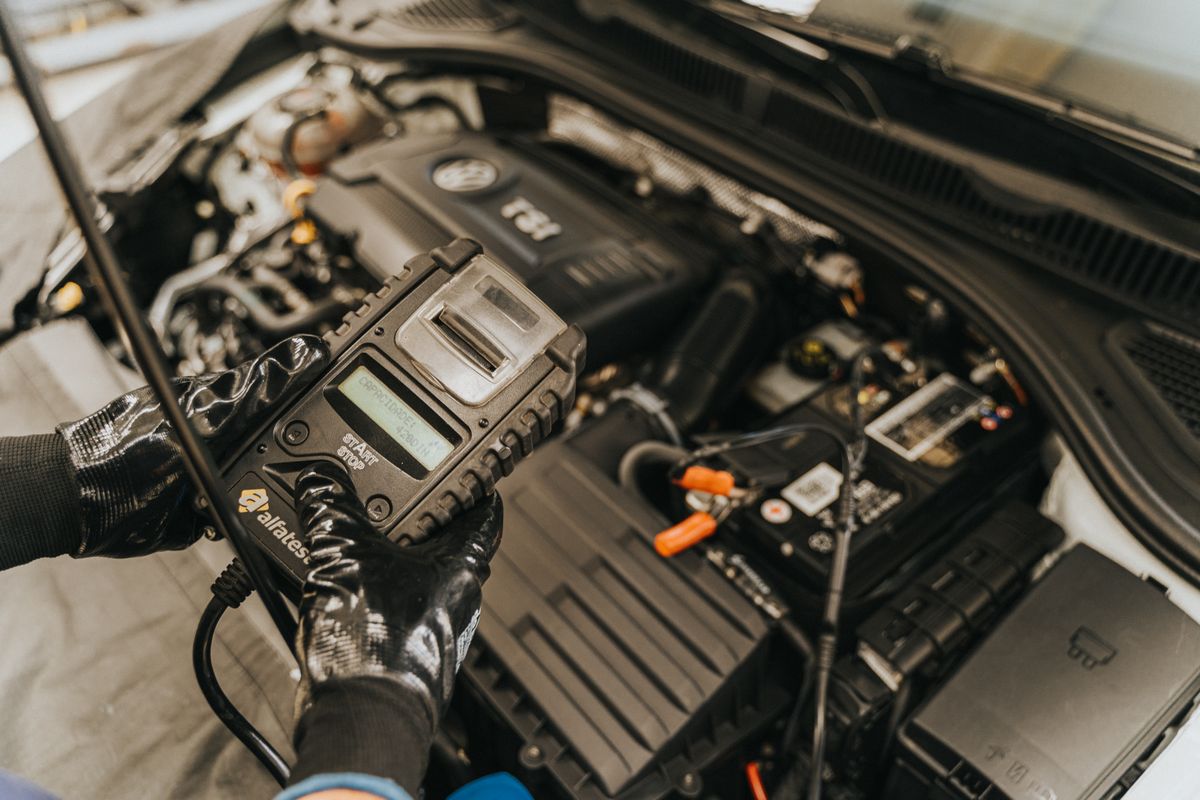
What You’ll Need
- New oil — correct viscosity and quantity for your engine (check your manual for exact capacity)
- New oil filter — matched to your engine
- New drain plug gasket/crush washer
- Socket wrench and the correct size socket for your drain plug
- Oil filter wrench (size depends on filter type)
- Oil drain pan (at least 8L capacity)
- Funnel
- Jack and jack stands, or ramps (if drain plug access requires raising the vehicle)
- Gloves and rags
Step 1: Prepare the Vehicle
- Park on level ground
- Run the engine for 2-3 minutes to warm the oil slightly — this helps it drain faster and more completely. Do NOT do this if the oil is already hot from driving — wait until it’s warm, not scalding
- Turn off the engine and engage the parking brake
- If needed, raise the front of the vehicle using ramps or jack + jack stands — NEVER work under a vehicle supported only by a jack
Step 2: Drain the Old Oil
- Locate the drain plug on the bottom of the oil pan
- Position the drain pan underneath, slightly toward the rear (oil flows out at an angle)
- Loosen the drain plug with a socket wrench, then remove it by hand — be ready for oil to flow as soon as it’s loose
- Allow oil to fully drain — this typically takes 5-10 minutes
Step 3: Replace the Drain Plug
- Once draining stops, clean the drain plug and the pan’s threaded hole
- Install a NEW gasket/crush washer on the drain plug — reusing the old one risks a slow leak
- Thread the plug in by hand, then tighten with a wrench to the torque spec in your manual (overtightening can strip the pan threads — a costly repair)
Step 4: Replace the Oil Filter
- Locate the oil filter — position varies by engine, often accessible from above or below
- Place the drain pan under the filter — it will release residual oil when removed
- Remove the old filter with a filter wrench (turn counterclockwise)
- Apply a thin layer of fresh oil to the new filter’s rubber gasket
- Install the new filter by hand, tightening 3/4 to 1 turn after the gasket makes contact — do not over-tighten
Step 5: Add New Oil
- Locate the oil fill cap on top of the engine (marked with an oil can symbol)
- Using a funnel, add oil slightly less than the full capacity specified in your manual
- Replace the fill cap
Step 6: Check and Verify
- Start the engine and let it run for about 30 seconds — check for the oil pressure warning light to turn off
- Check underneath for any leaks at the drain plug and filter
- Turn off the engine, wait 2-3 minutes for oil to settle, then check the dipstick
- Add the remaining oil gradually if the level is below the full mark — don’t overfill
Step 7: Reset the Oil Life Monitor
Many trucks require a manual reset procedure (often via dashboard buttons) or an OBD-II tool to reset the oil life percentage back to 100%. Without this, your dashboard may continue counting down from before the change, leading to premature ‘Change Oil Soon’ messages.
Step 8: Dispose of Old Oil Properly
- Pour old oil into a sealed container (many oil jugs work well for this)
- Take used oil AND the old filter to any auto parts store, municipal recycling depot, or service station that accepts used oil — most Canadian municipalities have free used-oil recycling programs
- Never pour used oil down a drain or onto the ground — it’s a serious environmental contaminant
Frequently Asked Questions
How much oil does my truck need?
Capacity varies by engine — typically 5-6 quarts (4.7-5.7L) for V6/V8 gas engines, more for diesels. Check your owner’s manual for the exact figure, and always add slightly less than full capacity, then check the dipstick before topping up the rest.
What if I overfill the oil slightly?
A small overfill (within about 1/4L) typically isn’t harmful, but significant overfill can cause foaming and pressure issues. If you’ve added too much, it’s best to drain a small amount back out.
Can I reuse my old drain plug gasket if it looks fine?
Not recommended — gaskets deform slightly each time they’re compressed. A new gasket costs $1-2 and eliminates the risk of a slow leak.
My truck doesn’t have a traditional dipstick — how do I check the oil level?
Some newer vehicles use electronic oil level monitoring only, displayed through the dashboard menu. Check your owner’s manual for how to access this reading.
Is it OK to do my first oil change myself if I’ve never done it before?
Yes, with this guide and basic tools, it’s a manageable first DIY task. Take your time, double-check each step, and don’t rush the tightening steps — those are the most common sources of leaks.
Get everything you need for your next oil change
Call or WhatsApp us with your year, make & model — we confirm the right oil, viscosity, and filter before you order. Ships across Canada & the US.
📞 +1 (512) 236-5489 Shop Engine Oil →
Leave a comment
Your email address will not be published. Required fields are marked *